
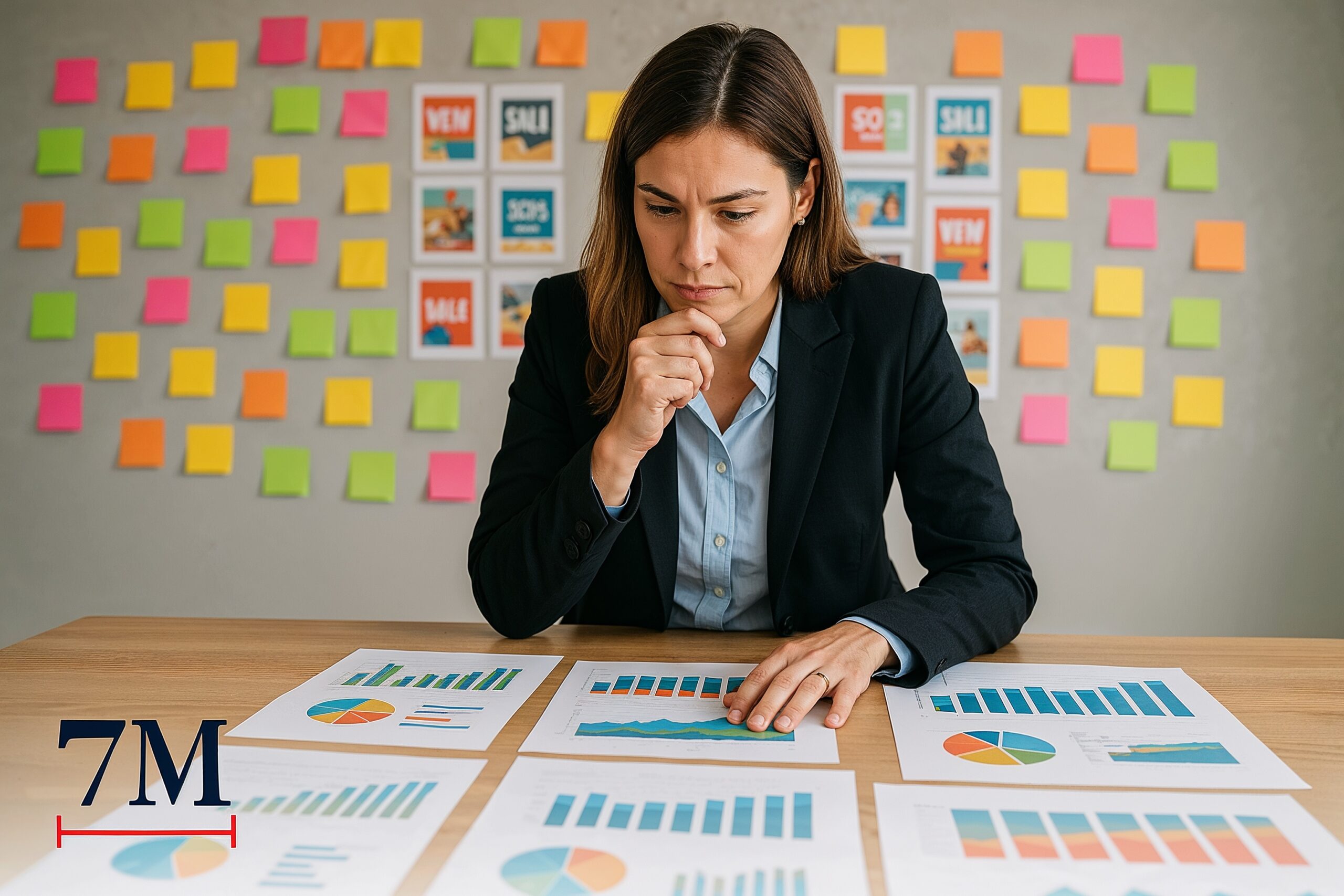
Understanding Facebook Ad Performance Over Time
If you are considering investing in Facebook advertising, you have likely wondered: Do Facebook ads get better over time? This question is crucial for digital marketers, direct response advertisers, and business owners who aim to maximize every dollar spent. The short answer is yes, Facebook ads can and do improve with time—provided you leverage the platform’s data-driven optimization, creative strategy, and iterative scaling methodologies. In this article, we will break down exactly how and why Facebook ad performance evolves, the role of artificial intelligence and automation, and actionable steps to consistently drive higher ROI.
How Facebook’s Learning Phase Impacts Ad Results
Every new Facebook ad campaign enters a “learning phase” during which the platform’s algorithm gathers performance data, identifies high-quality audiences, and tests which ad placements and creatives perform best. This phase typically lasts 3-7 days or until your campaign reaches about 1,000 impressions. During this time, results can seem erratic, but patience is critical. If you make rapid changes—such as tweaking budgets or targeting—the learning phase resets, potentially delaying optimization and hurting long-term performance.
Once the algorithm accumulates enough data, it begins to automatically optimize delivery, dynamically allocating your budget toward combinations of creative and audience segments that are generating the best results. This foundational process is one reason why, when managed correctly, Facebook ads get better over time.
The Power of Data, Automation, and Artificial Intelligence
Modern Facebook advertising is deeply data-driven. The platform uses advanced machine learning models that continuously analyze campaign performance and audience interactions. By harnessing Meta’s automation tools—such as Advantage+ campaigns, dynamic creative optimization, and AI-powered bidding strategies—advertisers report:
- Up to 27% higher return on ad spend (ROAS) using AI-bid campaigns
- Reduced cost-per-click (CPC) and improved budget efficiency through algorithmic adjustments
- Significant decreases in ad fatigue by refreshing creative elements according to automated engagement signals
Additionally, as privacy policies evolve, AI and first-party data integrations (like the Facebook Conversion API) help maintain tracking accuracy and audience targeting, meaning your campaigns can keep learning and improving even as digital landscapes shift.
Creative Evolution: Why Ongoing Testing Matters
Ad fatigue—a decline in performance as audiences grow weary of seeing the same creative—can stall your results. The best-performing Facebook advertisers never set and forget their ads. Instead, they regularly test new headlines, visuals, and calls-to-action. Multivariate and A/B testing reveal which combinations resonate most with your audience, enabling you to iterate toward higher engagement and conversion rates. Video ads, carousels, and interactive formats now outperform static images, so staying on top of creative trends is key to long-term success.
For inspiration, review the best Facebook ads examples in your industry. Break down how these top performers use storytelling, emotional resonance, and compelling offers to drive action—and let those insights inform your creative refreshes.
Audience Refinement and Retargeting for Better Results
Facebook’s audience targeting capabilities have grown more sophisticated thanks to real-time segmentation, lookalike modeling, and dynamic retargeting. The platform allows you to build custom audiences based on user behavior, website visits, or purchase history. Over time, you can use campaign data to exclude low-performing segments and double down on high-value users.
Retargeting, in particular, delivers some of the highest returns: retargeted campaigns boast conversion rates that regularly exceed 10%, and when combined with multi-touch strategies (like pairing Facebook and email retargeting), the purchase likelihood increases even further.
Scaling, Budget Optimization, and the Impact on ROI
One of the defining advantages of Facebook advertising is its scalability. As your campaigns mature and data accumulates, you can confidently increase budgets—ideally by 20-50% increments every few days—without jeopardizing performance. Scaling too quickly can shock the algorithm and spike costs, but a measured approach lets Facebook’s AI keep refining delivery for optimal results.
Understanding how long Facebook ads take to start working is important: most campaigns need at least a week to fully exit the learning phase and begin delivering consistently strong results. Moreover, the average ROI for Facebook ads continues to improve as advertisers adopt AI-driven automation, dynamic creative, and data integrations—current benchmarks show average ROAS at 5.3x, rising as high as 8.3x for advanced retargeting.
Best Practices for Ensuring Facebook Ads Get Better Over Time
- Allow Sufficient Learning Time: Avoid the temptation to adjust targeting, budget, or creative during the first 3-7 days.
- Leverage Automation: Use Meta’s Advantage+ suite, dynamic creative, and AI-powered bidding for continuous optimization.
- Test Relentlessly: Run ongoing A/B and multivariate tests on creative, audience segments, and placements.
- Refresh Creative Regularly: Rotate new visuals and messages to combat ad fatigue.
- Utilize Data for Targeting: Employ first-party data, custom audiences, and dynamic retargeting for higher relevance.
- Scale Incrementally: Increase budgets gradually to avoid algorithm disruption.
- Track Business Impact: Measure ROI, cost per acquisition, and overall business outcomes—not just clicks or impressions.
Conclusion: Long-Term Success Through Data and Adaptation
Facebook ads are not a set-it-and-forget-it tool. Their true power is unlocked by understanding that ad performance improves as you and the algorithm learn. Through strategic patience, ongoing creative development, data-driven optimization, and gradual scaling, digital marketers can achieve compounding returns on Facebook. The most successful campaigns are those that evolve, adapt, and relentlessly pursue better results—making Facebook, when approached correctly, one of the most effective channels for scalable growth in digital marketing.

