
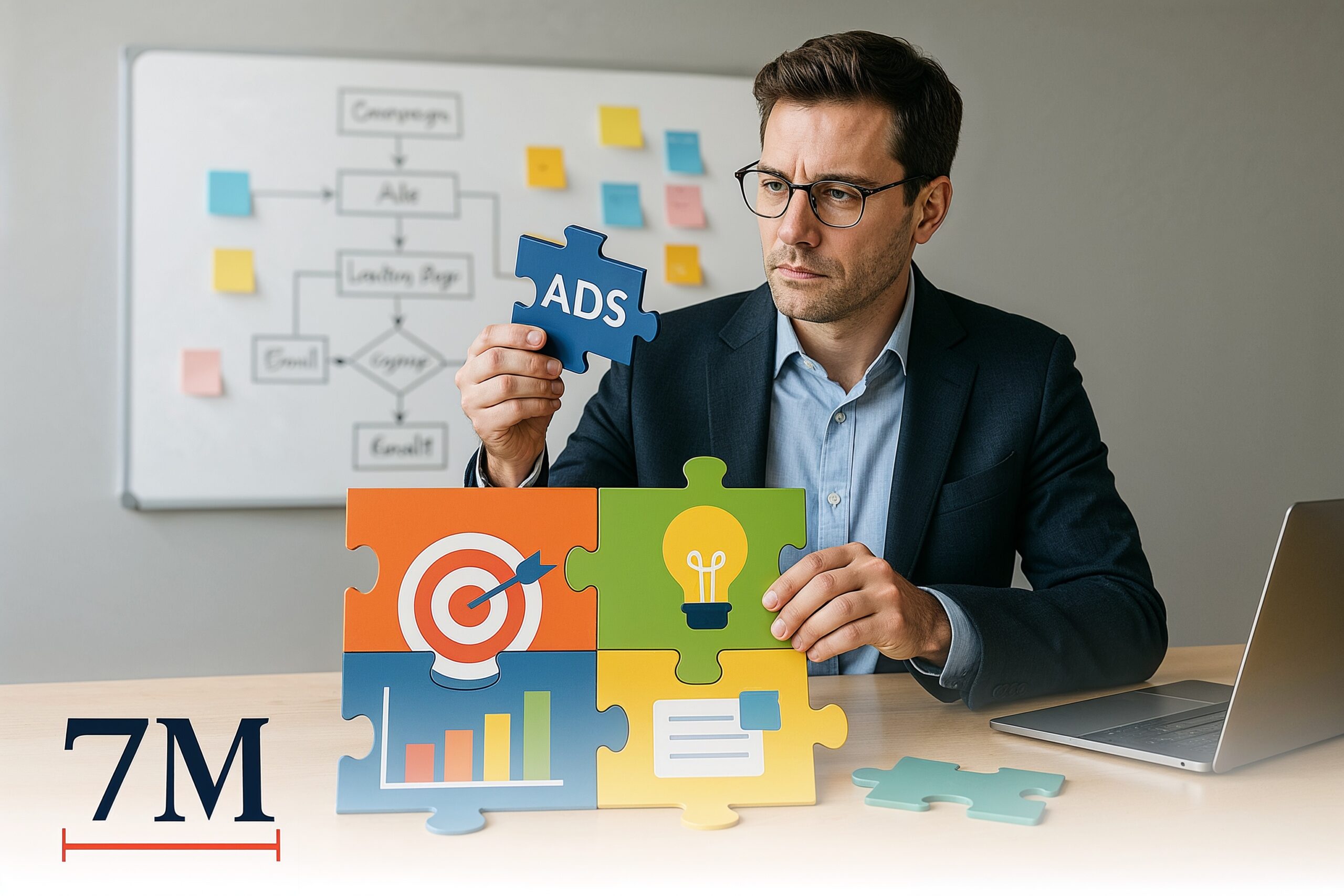
Introduction: Why Facebook Ads Still Matter
Facebook is a cornerstone platform for direct response advertising, consistently delivering scalable results for brands and agencies alike. Yet, with evolving user behaviors and algorithm updates, simply launching ads is no longer enough. The question every marketer must answer is: What is the most important thing to run Facebook ads? Success depends on much more than budget or creativity alone. The foundation is a robust, data-driven strategy that unites precise targeting, compelling creative, and continual optimization.
The Core Pillar: Strategic, Data-Driven Marketing
The most important factor in running effective Facebook ads is a holistic, data-driven marketing strategy. Successful advertisers approach campaigns with methodical preparation, not guesswork. That means building conversion funnels, developing detailed buyer personas, and structuring campaigns for measurement and iteration.
- Conversion Funnels: Map every stage of your customer journey—from awareness to conversion and retention. Each ad should have a clear purpose, moving prospects closer to action.
- Audience Segmentation: Use Facebook’s targeting tools to reach high-potential segments. Leverage lookalike audiences based on your most valuable customers, then further refine by demographics, interests, and behaviors.
- Data Tracking: Install and configure the Facebook Pixel and Conversions API. Accurate tracking fuels powerful retargeting and helps you measure real campaign impact, even with privacy restrictions.
Creative Excellence: The Powerhouse of Performance
Recent industry research finds that up to 80% of Meta ad performance is driven by the strength and relevance of creative assets. This includes images, videos, copy, and calls to action. Here’s how to harness creative to maximize results:
- High-Quality Visuals: Prioritize original, brand-consistent imagery and video. For most marketers, vertical (4:5) videos outperform squares and are preferred for mobile placements.
- Structured Storytelling: Craft ads that present a relatable problem and solution, using drama or real customer stories to connect emotionally. Integrate bold calls to action that are visible even with sound off.
- Ongoing Testing: A/B testing in digital ads is essential. Compare variations in imagery, copy length, calls to action, and even emojis to identify what resonates best with your audience.
Audience Targeting: Precision Over Guesswork
Targeting is not just about choosing interests or demographics at random. Use Facebook’s detailed options to layer targeting criteria, creating intersectional audiences that match your buyer personas. Key strategies include:
- Lookalike & Mille Feuille Targeting: Build lookalike audiences from your converters and layer them with other criteria for hyper-relevance.
- Retargeting: Don’t overlook existing customers or website visitors. Retargeting warm audiences usually delivers the highest conversion rates for the lowest costs.
- Testing Audiences: When scaling, test new segments but refine with data. Avoid being too broad or too specific—let performance data guide your adjustments.
Optimization & Testing: Relentless Iteration
Even the best strategy needs constant refinement. The best facebook ads examples come from campaigns where marketers test, learn, and optimize. Some best practices include:
- Micro-Variant Testing: Make small, frequent changes to creative, copy, and targeting to uncover incremental improvements.
- Ad Scheduling: Use performance data to run ads when your audience is most active. For lifetime budgets, scheduling increases efficiency and relevance.
- Budget and Bidding: Start with conservative spending, monitor cost per result, and escalate budgets gradually to avoid disrupting the learning phase.
Integrating with Other Channels
For agencies and growth-focused brands, Facebook ads do not exist in isolation. Integrate your campaigns with Instagram and even Google Ads to retarget across platforms. Use content marketing and organic social to warm up audiences before conversion-focused offers.
Practical Steps for Facebook Ad Success
- Define your audiences with precision; install and configure your pixel for accurate tracking.
- Develop a creative content calendar and plan regular A/B testing in digital ads.
- Build full-funnel campaigns, mapping the buyer journey from first touch to post-purchase.
- Monitor performance closely; set custom benchmarks and avoid relying solely on industry averages.
- Iterate relentlessly. Use best facebook ads examples as inspiration, but always test what works for your unique audience.
Conclusion: The True Secret to Winning with Facebook Ads
The most important thing to run Facebook ads—and continue winning as algorithms, audiences, and formats change—is a commitment to data-driven marketing strategies. Success is not about a single action or hack. It is about the rigorous, ongoing integration of strategic planning, creative testing, targeted audience segmentation, and campaign optimization. By focusing on these fundamentals, agencies and brands alike can unlock sustainable, scalable results from Facebook advertising.

