
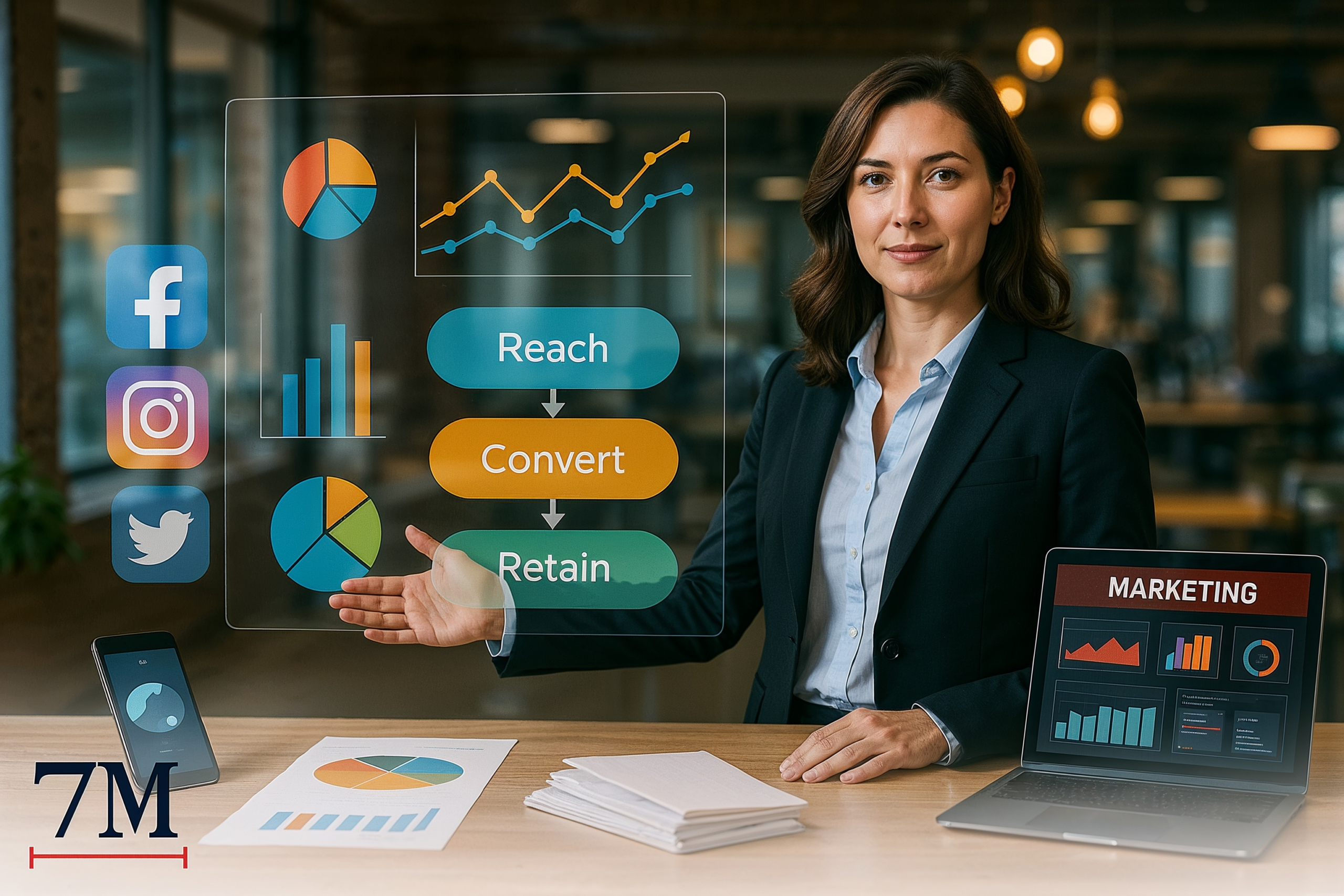
Introduction: The Power of Unified Multi-Channel Marketing
In today’s fast-paced digital landscape, a multi-channel marketing strategy is no longer just an option—it’s a necessity for any brand seeking scalable direct response results. Customers interact with brands across numerous platforms: social media, email, search, direct mail, and beyond. To succeed, marketers must not only reach them everywhere they are, but also connect every touchpoint into a seamless, data-driven experience that inspires action. For performance-driven businesses and agencies like 7 Mile Media SEZC, integrating analytics, creative testing, and agile optimization is the keystone for growth.
Why Data-Driven Multi-Channel Strategies Outperform
Gone are the days when campaigns relied on intuition or siloed efforts. Today, actionable insights gleaned from unified data streams empower marketers to precisely target, personalize, and measure at every stage of the customer journey. When you connect your CRM, analytics, email, social, and web data, you turn raw numbers into a complete narrative of your audience’s needs, behaviors, and preferences. This is the foundation of modern data-driven marketing strategies—and it’s what elevates campaigns from guesswork to science.
Step 1: Set Clear Goals & Integrate Your Data
- Start by defining measurable objectives for each channel—be it lead generation, sales, or customer retention.
- Centralize data from all your platforms: Facebook, Instagram, Google, YouTube, CRM, and email. Integration tools or analytics dashboards make this seamless, allowing you to see the full customer journey at a glance.
- Use both quantitative (clicks, conversions, attribution) and qualitative insights (customer feedback, interviews) to understand not just what actions users take, but why.
Step 2: Build Detailed Audience Profiles
- Analyze demographic and behavioral data from your CRM, social channels, and website to segment your audience by needs, preferences, and buying intent.
- Refine your profiles continually—track patterns like purchase frequency, content preferences, and engagement rates. This ensures your messaging remains highly relevant and conversion-focused.
- Personalization is key. Dynamic content, targeted offers, and creative tailored to each segment increases engagement and drives higher response rates, forming the backbone of effective direct response marketing.
Step 3: Orchestrate Consistent, Cross-Platform Messaging
- Develop a unified brand guide to ensure voice, tone, and visuals are consistent across all channels—from social posts and ads to email and direct mail pieces.
- Leverage cross-platform creative assets, but always optimize for each channel’s unique strengths (e.g., short-form video for Instagram, detailed guides or webinars for email).
- Audit campaigns regularly to identify and eliminate any inconsistencies that could disrupt the customer experience.
Step 4: Activate Direct Response Tactics Across Channels
- Deploy best-in-class direct response marketing tactics tailored to each channel. Examples include urgency-driven social ads, referral incentives, upsell popups, SMS follow-ups, and retargeting based on abandoned carts or viewed products.
- Use advanced targeting (e.g., lookalike audiences, pixel data) to serve hyper-relevant offers and nurture leads through sequenced touchpoints.
- Integrate offline channels like direct mail with digital experiences—QR codes, personalized URLs, and synchronized follow-ups increase response rates and bridge the gap between physical and digital.
Step 5: Test, Measure, and Optimize Relentlessly
- Run ongoing A/B and multivariate tests on creative, copy, landing pages, and offers. Let real-time results guide campaign pivots and budget allocation.
- Track KPIs that matter: cost per acquisition, click-through rates, conversion rates, and ROI per channel. Use dashboards and analytics tools for comprehensive visibility.
- Close the loop by feeding learnings from one channel back into others—if a particular offer or creative works on Facebook, test it on Instagram or email. This iterative process is what allows a performance marketing agency to consistently scale results.
Step 6: Build a Feedback Loop for Continuous Improvement
- Collect and analyze customer feedback to refine targeting and creative. Use surveys, reviews, and social listening to capture the “why” behind user actions.
- Map the entire customer journey—identify friction points and optimize them to boost overall conversion and retention.
- Never stop learning: monitor new channels, emerging formats, and evolving consumer trends to keep your multi-channel marketing strategy ahead of the curve.
Bringing It All Together: The Scalable Advantage
By integrating data, personalizing outreach, maintaining brand consistency, deploying direct response tactics, and optimizing in real-time, brands build relationships—not just transactions. The result? Campaigns that are not only measurable and scalable, but also adaptable to the ever-changing digital ecosystem.
If you’re looking to maximize ROI and growth, working with a performance marketing agency that specializes in multi-channel marketing strategy and data-driven marketing strategies will help you uncover new opportunities, accelerate testing, and scale winning campaigns across every channel your customers use.
Conclusion
In the world of direct response and digital growth, success hinges on your ability to orchestrate a unified, data-driven presence across platforms. The right strategy, powered by ongoing optimization and actionable insights, turns every channel into a performance engine and every touchpoint into a conversion opportunity.

