
Understanding Omnichannel Marketing Strategies
Omnichannel marketing strategies go far beyond simply spreading your messages across multiple platforms. They focus on creating a seamless, data-driven, and highly personalized customer journey that unifies touchpoints—digital, physical, and hybrid—into one coordinated experience. This approach ensures your audience receives the right message at the right time, regardless of where or how they interact with your brand.
From Multichannel to Omnichannel: What’s the Difference?
While multichannel marketing uses various platforms independently (think separate email, social, and in-person campaigns), omnichannel marketing strategies integrate these efforts. By unifying data and messaging, brands can deliver consistent, context-rich experiences. This shift reduces message fatigue, builds trust, and maximizes campaign impact—especially critical for performance marketing agencies operating in highly competitive industries.
Why Data-Driven Omnichannel Marketing Matters
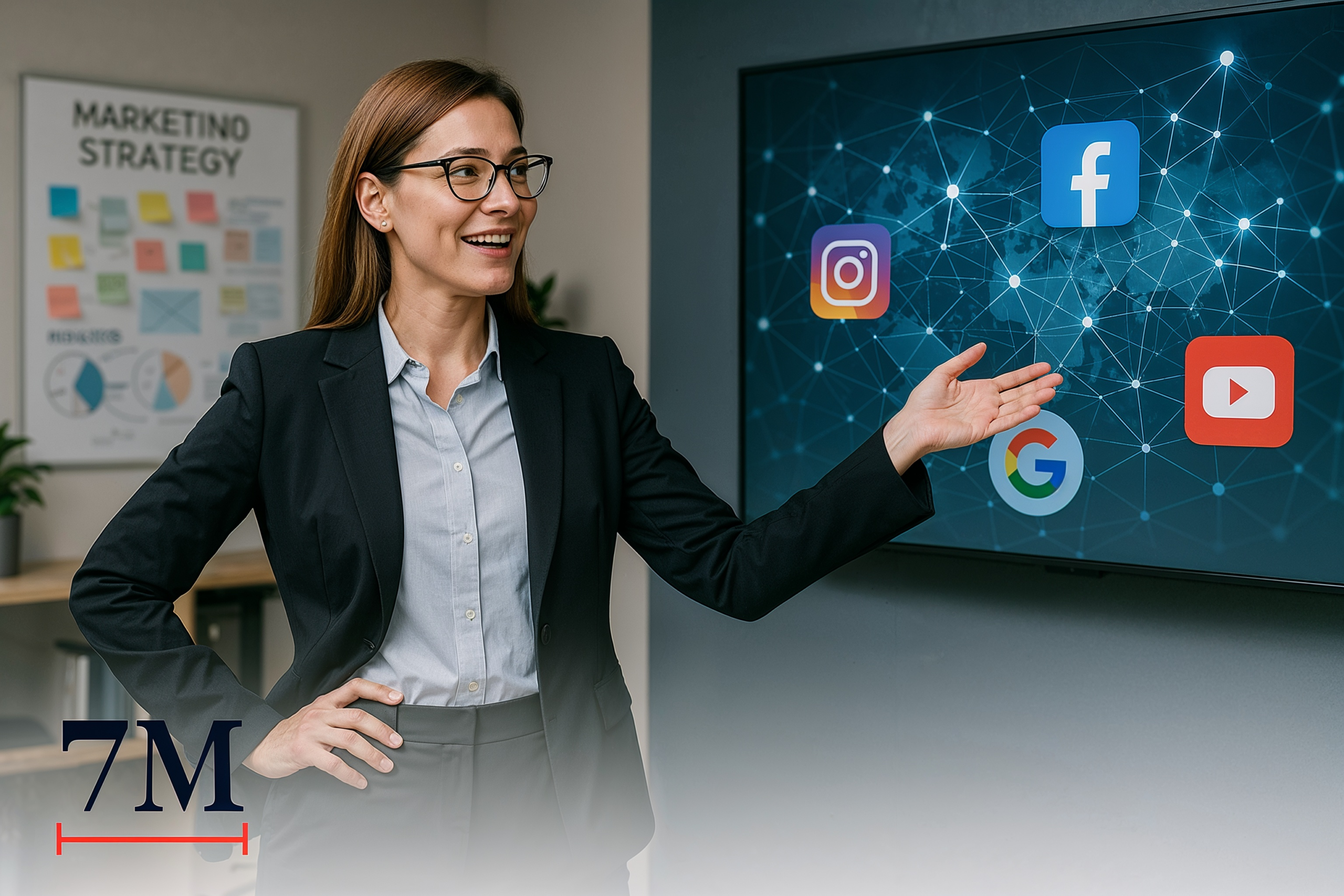
At the heart of effective omnichannel marketing strategies is robust data integration. Brands that harness identity resolution, behavioral analytics, and segmentation can craft precise, relevant campaigns. For example, advanced marketing automation services tap into behavioral patterns across platforms—such as Facebook, Instagram, Google, and YouTube—to serve each user with tailored content and offers.
Data-driven marketing strategies provide several key advantages:
- Personalization at Scale: Move beyond generic demographics to target micro-segments based on real engagement, preferences, and purchase journey stages.
- Consistent Messaging: Align communication across every channel, reducing confusion and establishing trust.
- Optimized Resource Allocation: Use analytics to double down on what works, streamlining marketing spend and boosting ROI.
Integrating Facebook, Instagram, Google, and YouTube in Omnichannel Campaigns
The world’s top digital agencies leverage a multichannel digital ecosystem, but true omnichannel marketing strategies integrate these platforms with data-driven consistency. Here’s how:
- Facebook & Instagram: Leverage detailed behavioral data for retargeting, dynamic creative, and segmented ad funnels. Sync messaging for users who interact with both platforms to ensure continuity.
- Google: Use search, display, and shopping ads in tandem with social campaigns. Employ cross-channel remarketing lists for users who have engaged elsewhere.
- YouTube: Pair video remarketing with social and search ads. For example, users who watch a product demo on YouTube can receive complementary follow-up offers or educational content on Facebook or Instagram.
The Role of Marketing Automation in Omnichannel Success
Automation platforms play a pivotal role in converting diverse data into actionable insights. Automated tools can:
- Map customer journeys and trigger campaigns based on real-time behaviors.
- Personalize content, offers, and channel choices for each user.
- Ensure compliance and consistency, especially in regulated industries or complex B2B journeys.
This results in greater engagement, higher conversion rates, and improved customer lifetime value.
Journey Mapping & Attribution: Measuring What Matters
Customer journey mapping is essential for identifying critical touchpoints and friction points. By analyzing how prospects move through Facebook, Instagram, Google, and YouTube, marketers can pinpoint drop-offs and optimize accordingly. Key performance indicators (KPIs) include engagement rates, conversion rates, and customer lifetime value. Modern performance marketing agencies utilize these metrics to continually refine strategies for maximum impact.
Best Practices for Building Omnichannel Marketing Strategies
- Data Integration: Break down silos by unifying all customer data sources—CRM, web analytics, ad platforms—into a single profile for each customer.
- Audience Segmentation: Go granular to target micro-segments with personalized messaging across all platforms.
- Channel Orchestration: Use marketing automation services to coordinate timing, content, and channel selection based on user behaviors.
- Compliance & Trust: Ensure brand messaging meets all privacy and industry regulatory standards, especially for sensitive markets like healthcare or financial services.
- Iterative Optimization: Run A/B tests and real-time analytics to continually refine campaign components, messaging, and creative assets.
Scaling Growth with Omnichannel Marketing
True omnichannel strategies unlock scalable growth by driving higher engagement, increasing efficiency, and maximizing ROI. The integration of AI and analytics not only enables advanced personalization and predictive targeting but also streamlines campaign management for agencies serving clients in B2B, B2C, and regulated sectors.
Partnering with a Performance Marketing Agency
Building and executing omnichannel marketing strategies requires expertise in data integration, creative storytelling, and technology orchestration. Collaborating with a performance marketing agency gives your business access to:
- Cross-platform experience in Facebook, Instagram, Google, and YouTube campaigns
- Advanced marketing automation services and data analytics
- Continuous optimization and compliance management
A forward-thinking agency can help you build an agile, data-driven foundation for scalable growth.
Conclusion: Omnichannel is the Future—Are You Ready?
The digital landscape is evolving—customers expect unified, relevant, and timely experiences across channels. Adopting omnichannel marketing strategies powered by data and automation provides businesses with the tools needed for sustainable, scalable success. Whether you’re in healthcare, e-commerce, B2B, or any sector where customer experience matters, integrating Facebook, Instagram, Google, and YouTube into one seamless strategy is no longer optional—it’s essential for staying competitive and driving growth.

