
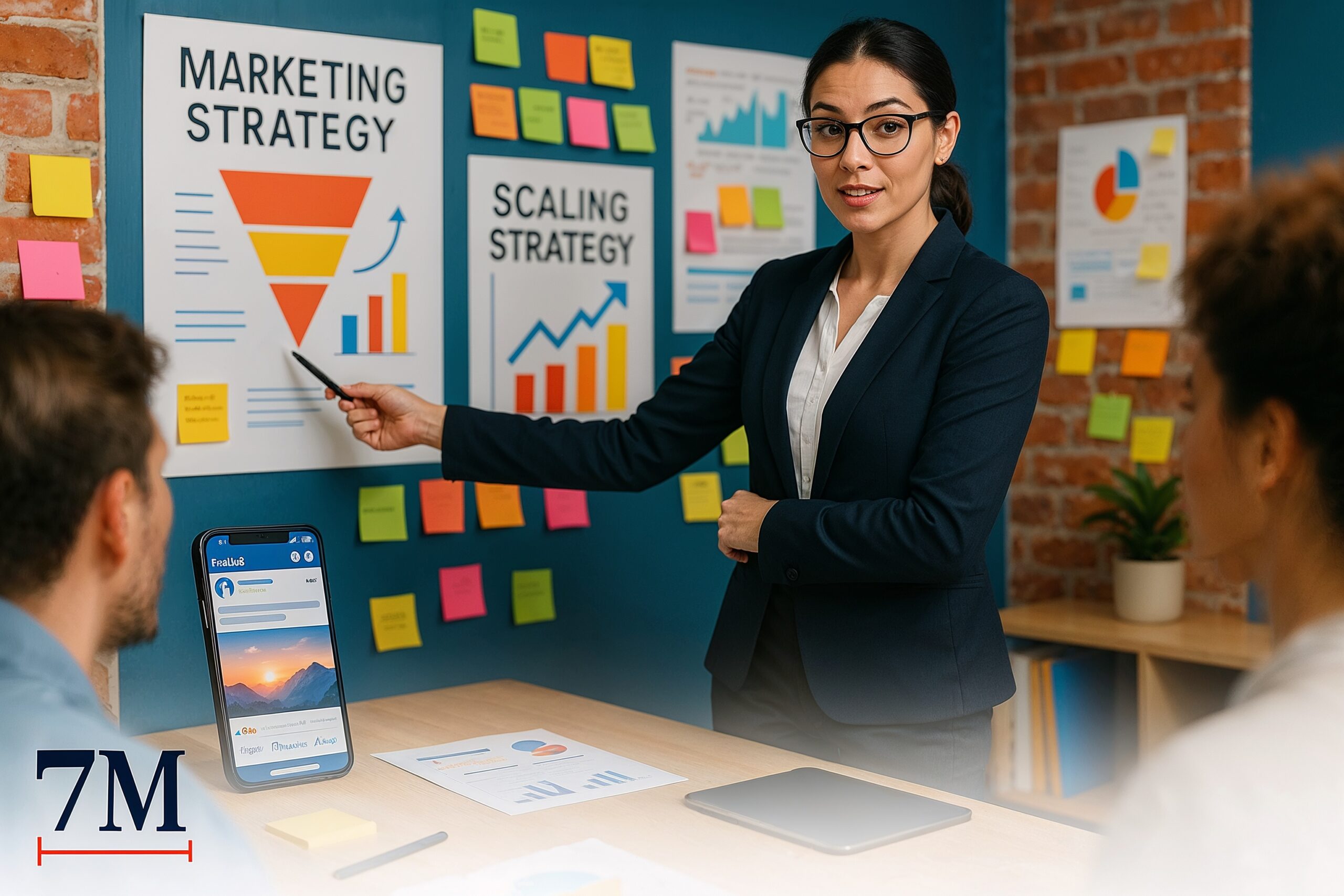
Introduction: Why Scaling Facebook Ads is Crucial for Service Businesses
Service businesses operate in a highly competitive landscape where lead generation and consistent client acquisition are essential for growth. Facebook ads, with their powerful targeting options and massive user base, present a unique opportunity for service businesses to reach the right audiences, nurture them, and drive profitable conversions. However, moving from a small, test budget to a scalable, high-ROI campaign requires a strategic, data-driven approach. This guide will walk you through the most effective methods for scaling Facebook ads for service businesses, covering foundational prep work, advanced tactics, budgeting, creative frameworks, and ongoing optimization.
1. Building a Strong Foundation for Scaling Success
Define Clear Objectives and Map Your Funnel
Before scaling any campaign, it’s vital to clarify your primary goal: Are you driving leads, booking appointments, or building awareness? Map your customer journey using a conversion funnel approach—segmenting audiences into top, middle, and bottom of funnel (TOFU, MOFU, BOFU). Each stage requires tailored messaging. For example, use brand awareness video ads at TOFU, educational content or testimonials for MOFU, and Lead Ads or Click-to-Messenger campaigns at BOFU.
Set Up Facebook Pixel and Conversion Tracking
Accurate data is the backbone of scalable campaigns. Install the Facebook pixel on your website and configure custom events to track key actions (form submissions, bookings, downloads). This enables robust retargeting, lookalike audiences, and ongoing optimization, even as privacy policies evolve.
2. Audience Segmentation and Advanced Targeting
Leverage Buyer Personas and Custom Audiences
Define your ideal customer profiles by demographics, pain points, and behaviors. Build custom audiences from your CRM, website visitors, and engagement pools. For service businesses, segmenting by intent—such as recent website visitors, past lead form openers, or video viewers—ensures your message reaches those most likely to convert.
Utilize Lookalike and Broad Audiences
When scaling, combine precise custom audiences with broader lookalike audiences. Meta’s AI can efficiently find new, high-quality leads when given rich data sources, such as customer email lists or lead event data. Testing broad targeting (letting the algorithm optimize delivery) versus layered interest targeting can reveal the most cost-effective scaling method for your niche.
3. Proven Ad Formats and Creative Frameworks
Ad Formats That Win for Service Businesses
– Lead Generation Ads: Use Facebook’s native forms for seamless lead capture, integrating directly with your CRM. Limit form fields to reduce friction and qualify leads with strategic questions.
– Click-to-Messenger/WhatsApp: These ads are perfect for high-touch services or businesses reliant on bookings. Automated chat flows and human follow-up can increase lead conversion rates.
– Video and Carousel Ads: Short-form, vertical videos with immediate hooks grab attention at the top of the funnel. Use carousel ads for showcasing service benefits, case studies, or testimonials.
Creative Best Practices
– Use clear, benefit-driven visuals and messaging relevant to each funnel stage.
– Incorporate strong calls to action (CTAs) and ensure all creative is mobile-optimized.
– Rotate creatives regularly to avoid ad fatigue, leveraging A/B testing to optimize headlines, images, and CTA buttons.
4. Smart Budgeting and Bidding Strategies for Profitable Scaling
Test Before You Scale
Start with multiple ad variations at a small budget to identify top performers. Only scale those ads that demonstrate strong cost-per-lead or cost-per-action metrics. Use Facebook’s built-in split testing to compare creative and audience combinations.
Gradually Increase Ad Spend
Once you validate winners, scale budgets incrementally—ideally by no more than 20% every few days—to avoid shocking Meta’s algorithm. Monitor metrics such as cost per result, ROAS, and conversion rates to ensure efficiency as you increase spend.
Optimize Bidding Approaches
Experiment with bidding strategies like cost cap, target ROAS, or lowest cost, aligning the approach with your objectives and profit margins. For service businesses, controlling costs while increasing volume is critical, so monitor closely and adjust bidding as needed.
5. Advanced Optimization: Retargeting, Automation, and Cross-Channel Synergy
Retargeting for Higher Conversions
Create segmented retargeting pools: those who visited your site but didn’t convert, past leads who haven’t booked, or prior customers open to upsell/cross-sell offers. Deliver personalized messaging and offers, such as free consultations or special discounts, to move them closer to taking action.
Automate Follow-Up and Nurture Flows
Integrate Facebook Lead Ads with your CRM and automate email or Messenger follow-ups. Quick responses improve lead quality and drive higher conversion rates, critical for service businesses reliant on timely interactions.
Cross-Channel Synergy
Run Facebook campaigns in tandem with Google Ads for increased brand recall and to capture leads actively searching for your services. Retarget high-intent website visitors on both platforms, using remarketing lists and coordinated messaging.
6. Continuous Testing and Data-Driven Refinement
Embrace Ongoing A/B Testing
Iteratively test everything—ad copy, creatives, audiences, placements, and CTAs. Use Facebook’s dynamic creative tools and split testing features to isolate what works best. Acting on these insights, refine campaigns monthly for incremental improvements.
Monitor Key Metrics and Avoid Common Pitfalls
Track conversion rates, cost per lead, ROAS, and attribution data. Avoid scaling too quickly before validating creative, neglecting mobile optimization, or using overly generic or untargeted messaging. Stay up to date with Meta’s feature updates and privacy policy changes to maintain compliance and performance.
Conclusion: Achieve Profitable, Sustainable Growth
Scaling Facebook ads for service businesses requires more than just increasing budgets. It demands a holistic approach grounded in robust data, ongoing creative innovation, precise audience targeting, and automation. By following these proven strategies and frameworks, service businesses can achieve consistent, profitable growth—turning Facebook into a powerhouse channel for leads and long-term client relationships.

