
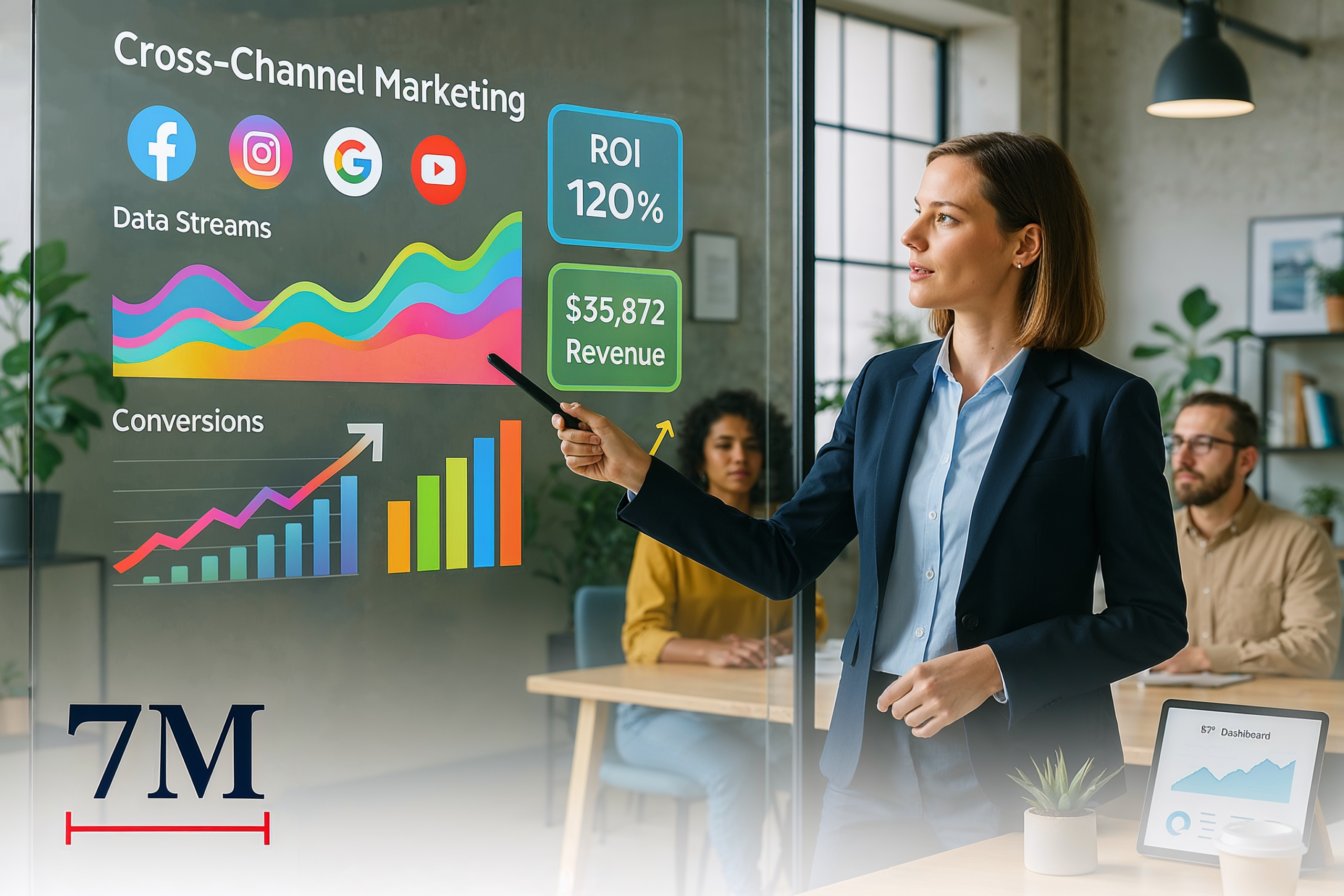
Why ROI Tracking in Marketing is the New Competitive Edge
Marketing budgets are under more scrutiny than ever as businesses demand clear, measurable results. Enter ROI tracking in marketing—a discipline that shifts focus away from vanity metrics like impressions and clicks, and towards metrics that drive revenue, profit, and long-term growth. Whether you’re a brand, a performance marketing agency, or an in-house marketer, your ability to accurately track, analyze, and improve marketing ROI is what separates leaders from laggards in the digital landscape.
The Foundations: What is ROI Tracking and Why Does It Matter?
At its core, ROI (Return on Investment) tracking measures the true impact of your marketing activities against the resources you invest. For digital campaigns across Facebook, Instagram, Google, and YouTube, this means looking beyond surface-level metrics to understand real outcomes: new customers acquired, revenue generated, and customer lifetime value.
Critical metrics for modern ROI tracking include:
- Customer Acquisition Cost (CAC): How much does it cost to acquire a new customer?
- Customer Lifetime Value (CLV): What is a new customer worth over their entire relationship with your brand?
- Return on Ad Spend (ROAS): How much revenue do you generate for every dollar spent on advertising?
- Conversion Rate & Cost per Acquisition (CPA): How efficiently are you converting leads to paying customers?
Shifting your focus to these metrics empowers you to demonstrate marketing’s value, justify budget increases, and guide strategic decision-making.
Key Challenges in ROI Tracking (and How to Overcome Them)
Modern digital marketing is omnichannel and data-rich, but also complex. Common hurdles include:
- Fragmented Data: Metrics siloed across Facebook, Instagram, Google, and YouTube make holistic measurement difficult.
- Inconsistent Reporting: Each platform defines KPIs differently, complicating apples-to-apples comparisons.
- Attribution Confusion: Is your sale due to a Facebook ad, a YouTube video, or a Google search? Without multi-touch attribution, true ROI is hard to prove.
- Data Quality Issues: Disconnected tools and manual reporting invite errors.
To address these, high-performing teams use data-driven marketing strategies and invest in integrated marketing analytics tools that unify data, automate reporting, and offer real-time dashboards for campaign monitoring and adjustment.
Step-by-Step: Advanced ROI Tracking Framework for Multi-Platform Campaigns
- Set Clear Objectives & KPIs
Align campaign goals (leads, sales, customer value) with measurable KPIs from day one. Ensure your tracking reflects true business value, not just engagement. - Early Metrics Setup & UTM Tracking
Implement UTM parameters and tracking pixels (such as Facebook Pixel, Google’s global site tag, and YouTube tracking links) before launching campaigns to enable granular source attribution. - Centralize Data Collection
Integrate platforms like Google Analytics 4, CRM systems, and ad dashboards. All-in-one analytics tools (AgencyAnalytics, Ruler Analytics, Mixpanel, ClicData) can automate reporting, reduce manual labor, and minimize errors. - Consistent Data Audits
Regularly audit your data for accuracy and completeness. Poor data quality can derail even the best marketing strategies. - Granular Audience Segmentation
Leverage first-party data to segment audiences for Facebook, Instagram, Google, and YouTube targeting. This enables message personalization and higher conversion rates. - Multi-Touch Attribution
Move beyond last-click attribution. Use linear, time-decay, or data-driven models to distribute credit across the customer journey and truly measure cross-channel impact. - Iterative Optimization & A/B Testing
Consistently A/B test creative assets, landing pages, and offers. Real-time dashboards help rapidly identify underperformers and reallocate budget to winners.
Channel-Specific ROI Tracking Tactics
Facebook and Instagram
- Set up Facebook Pixel for detailed conversion tracking.
- Integrate CRM for offline conversion attribution.
- Use UTM-tagged links in organic and ad content for source clarity.
- Monitor ROAS, CPA, and audience engagement in Facebook Ads Manager.
Google (Search, Display, and Shopping)
- Implement Google Analytics 4 with conversion events and ecommerce tracking.
- Use Google Ads integration to consolidate data and compare keyword/ad placement performance.
- Track multi-channel funnels and attribution paths in GA4.
YouTube
- Leverage YouTube Studio and Google Analytics for video engagement and conversion tracking.
- Apply advanced attribution in BI tools for cross-platform analysis.
- Test creative elements (thumbnails, hooks) and retarget engaged viewers to maximize ROI.
Choosing and Using Marketing Analytics Tools
The right analytics platform is a force multiplier. Leading marketing analytics tools support multi-platform integration, real-time dashboards, and automated reporting. Consider platforms like:
- AgencyAnalytics: Great for agencies managing multiple clients and accounts.
- Google Analytics 4: Industry standard for website and campaign tracking.
- Ruler Analytics, Kissmetrics, Mixpanel: Advanced attribution and user journey mapping.
- ClicData: Data centralization and visualization for cross-channel campaigns.
Automate everything you can, but always tailor insights for your business context and client needs.
Continuous Improvement: The Role of Experimentation and Reporting
ROI tracking isn’t set-and-forget. It’s a process of continual measurement, optimization, and learning. Establish monthly or quarterly reporting cycles, use A/B testing to sharpen messaging and creative, and always be prepared to pivot based on what the data tells you. Collaboration between marketing, sales, and analytics teams is crucial for turning insights into profit-driving action.
Conclusion: Turning ROI Tracking into Growth
In an era where businesses demand proof of value, ROI tracking in marketing is a must-have capability for agencies and brands alike. By moving beyond vanity metrics, centralizing your data, deploying the right tools, and embracing a culture of continuous optimization, you’ll position your organization—and your clients—for sustained, scalable growth across every major digital channel.

