
Why Proven Ad Copy Frameworks Matter in Facebook Advertising
With millions of Facebook ads competing for attention every day, most campaigns struggle to stand out and convert. The secret to high-performing Facebook campaigns lies in leveraging proven ad copy frameworks — structured approaches that combine psychology, storytelling, and persuasive tactics. These frameworks turn a good ad into a great one, helping advertisers maximize return on ad spend (ROAS), lower cost per acquisition (CPA), and outpace competitors in crowded feeds.
What Are Ad Copy Frameworks and Why Do They Work?
Ad copy frameworks are time-tested structures that guide how you craft your message. Think of them as blueprints: while creativity is essential, these frameworks ensure your copy is clear, compelling, and built to drive action. They work because they align with how audiences process information and make decisions. Whether you are running direct response campaigns or brand awareness pushes, using the right framework can dramatically improve conversion rates.
Top Proven Ad Copy Frameworks for Facebook Ads
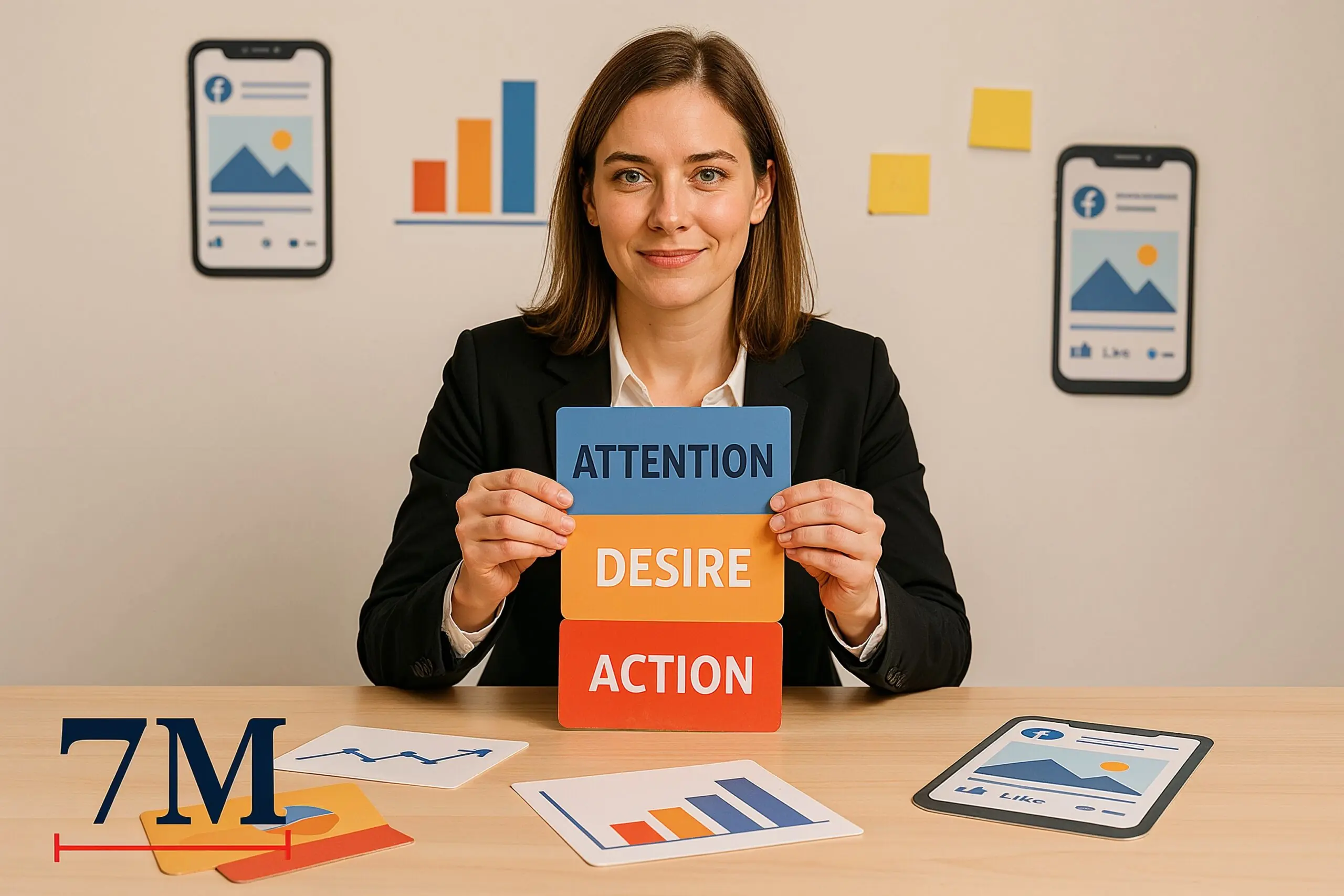
1. AIDA: Attention, Interest, Desire, Action
How it works: Start with a bold statement or question to hook your audience. Build interest by highlighting benefits or an intriguing story. Stoke desire with specifics or social proof, then close with a clear call-to-action (CTA).
- Example: “Tired of endless scrolling? Discover how our productivity app helps you focus in just 10 minutes a day. See why 10,000+ users made the switch. Download now.”
2. PAS: Problem, Agitate, Solution
How it works: Address a specific pain point your audience faces. Intensify that pain to build urgency, then introduce your product or service as the solution.
- Example: “Struggling with high ad costs? Watching your budget disappear with no results is frustrating. Our data-driven approach reduces your cost per lead by 40%—try a demo today.”
3. FAB: Features, Advantages, Benefits
How it works: Lead with a key feature, explain the advantage it offers, then connect it to a real benefit for the user. This keeps your value proposition clear and relatable.
- Example: “Automated reporting dashboard—delivers real-time insights—so you can optimize campaigns in minutes, not days.”
4. Before-After-Bridge (BAB)
How it works: Paint a picture of your audience’s current reality. Show them how life could be after using your product, then bridge the gap with your offer.
- Example: “Before: Hours wasted on reporting. After: Instant access to clear performance data. Bridge: Get started with our dashboard today.”
5. The Four U’s: Useful, Urgent, Unique, Ultra-Specific
How it works: Keep your message actionable, create urgency, articulate your unique selling point, and provide specific details to add weight.
- Example: “Boost your ROI by 30% this week—exclusive template inside, available only to the first 100 sign-ups.”
Applying Frameworks to Different Facebook Ad Formats
Each ad format—whether static image, video, carousel, or story—offers unique opportunities to deploy frameworks:
- Static/Image Ads: Use AIDA or PAS for short, punchy copy paired with a scroll-stopping visual. Bullet points or emojis can enhance skim-readability.
- Video Ads: Start strong (first 3–8 seconds) with an AIDA hook. Video is ideal for storytelling or before-after transformations.
- Carousel Ads: Tell a sequential story (Before-After-Bridge) or highlight multiple benefits/features.
- Testimonial/UGC Ads: Leverage social proof within the PAS framework, letting real customers speak to the problem and your solution.
Common Mistakes When Running Facebook Ads
- Overlooking Audience Research: Effective frameworks are only as good as your audience insights. Segment your targeting and speak directly to specific pain points.
- Neglecting the CTA: Every ad, regardless of structure, needs a clear and relevant call-to-action.
- Ignoring Testing: Relying on a single framework or creative is risky. Use A/B testing to find the perfect message and format for your audience.
- Too Much Focus on Features: Always translate features into benefits that matter to your target customer.
How to Budget for Effective Facebook Ad Campaigns
Advertisers often ask: What is a good budget for Facebook ads? The answer depends on your goals, niche, and competition. Start with a daily budget that is sustainable (as little as $5–$10 for small tests), then scale based on what is delivering results. Agencies recommend a test budget of $500–$1,500 per month for meaningful data, but even smaller investments can yield learnings if you focus on high-intent audiences and proven frameworks.
How much investment is required for Facebook ads? For initial campaigns, plan to invest enough to reach at least 1,000 people per ad set, per week. This ensures statistical significance in your tests and reliable optimization through Facebook’s algorithm.
Testing, Optimization, and Scaling for Success
Great copy is only half the battle. Monitor performance metrics—CTR, conversion rate, CPL—and be ready to iterate. Use the MITO (Monitor, Iterate, Test, Optimize) approach. Refresh creative regularly to avoid ad fatigue and double down on ads and frameworks that show positive ROI. Data-driven refinement and ongoing experimentation are essential for sustainable scaling.
Conclusion: The Path to High-Converting Facebook Ads
Proven ad copy frameworks provide a foundation for crafting high-converting, scalable Facebook ad campaigns. By combining audience insights, structured messaging, and relentless testing, your campaigns can achieve superior results with any budget. Remember, the most successful advertisers are those who blend creativity with disciplined execution and data-driven optimization—key principles that define winning campaigns for agencies like 7 Mile Media.

