
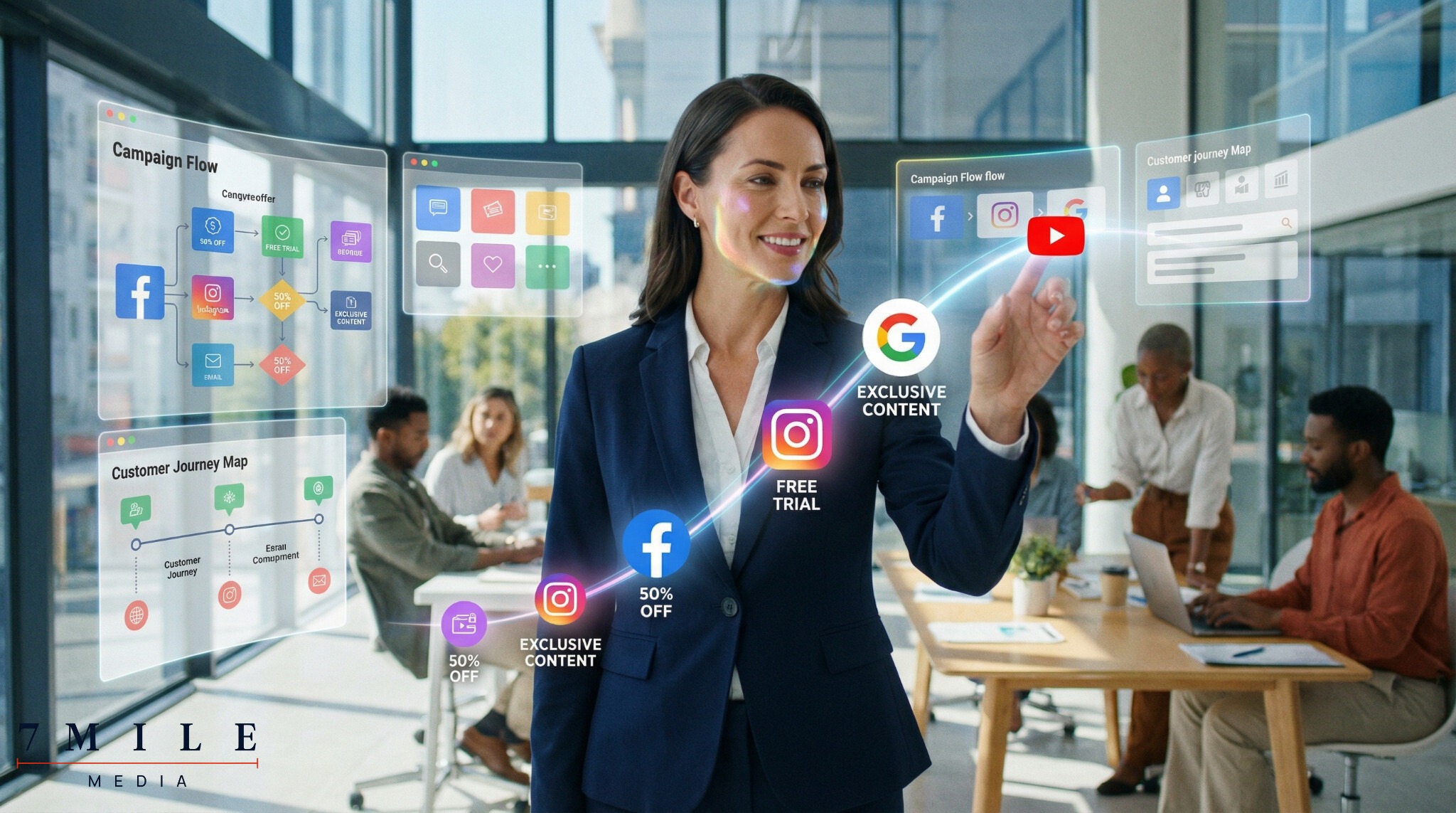
Introduction: The Power of Offer Sequencing in Digital Campaigns
Offer sequencing in digital campaigns represents a transformative approach to guiding prospects through thoughtfully crafted steps that maximize engagement, conversions, and customer lifetime value. For leading platforms like Facebook, Instagram, Google, and YouTube, mastering sequencing is not just a tactic, it is a blueprint for scaling digital advertising with precision and efficiency.
What Is Offer Sequencing and Why Does It Matter?
Offer sequencing is the strategic delivery of tailored offers and messages, distributed across multiple digital channels and customer journey stages. Rather than sending the same campaign to everyone, modern marketers deliver a series of targeted touchpoints—each building on the last, and each personalized according to user behavior, demographics, and engagement history. This moves prospects through awareness, consideration, conversion, and loyalty in a seamless, data-driven flow.
Effective sequencing is vital because digital audiences are bombarded with information and choices. Personalized, sequenced messaging cuts through the noise, increasing response rates and boosting ROI. Today’s tools—especially those powered by AI—enable this level of sophistication at scale.
Core Components of Offer Sequencing in Digital Campaigns
- Multi-Channel Orchestration: Synchronize offers across Facebook, Instagram, Google, and YouTube, reaching users where they are most active.
- AI-Powered Sales Automation: Leverage automation platforms that analyze engagement data to determine the optimal timing and progression of messages.
- Personalization Engines: Use AI and CRM integrations to personalize content, ensuring relevance and increasing the likelihood of conversion.
- Continuous Analytics and Optimization: Implement A/B testing and real-time analytics to refine sequencing and achieve better results with each campaign cycle.
Step-by-Step Guide to Implementing Offer Sequencing
1. Build a Comprehensive Customer Profile
Use CRM, website analytics, and social media insights to define your ideal customer persona. Gather data on behaviors, interests, and purchase history. This foundation enables precise segmentation and sequencing.
2. Design Multi-Channel Sequences
Map out the journey: start with value-driven content to build awareness, follow with educational resources or case studies, and introduce enticing offers as interest grows. Vary touchpoints—such as video ads on YouTube, retargeting on Facebook, and interactive stories on Instagram—so that each message feels fresh and contextually appropriate.
3. Harness Automation Tools
Adopt platforms that enable sequenced workflows, such as SuperAGI, Omnisend, or Regie.ai. These tools facilitate automated, multi-step campaigns, reducing manual effort and maximizing consistency.
4. Personalize Messaging at Every Stage
Use AI-driven personalization to dynamically adjust messaging according to user responses. For example, send a reminder or a tailored discount if a user abandons their cart, or invite them to a webinar after they download a resource.
5. Monitor, Measure, and Optimize
Track open rates, click-through rates, and conversions across platforms. Use analytics to identify which sequences perform best and iterate on your approach. Employ A/B testing to continuously improve timing, messaging, and channel allocation.
Platform-Specific Strategies for Facebook, Instagram, Google, and YouTube
Facebook & Instagram
Utilize Facebook’s audience segmentation tools to set up retargeting flows based on site activity or social engagement. Sequence Instagram Stories, reels, and feed posts to nurture interest with a mix of product education, user-generated content, and timed promotional offers. Integrate shoppable posts and interactive features to encourage direct conversions.
Google
Implement sequenced search and display ad campaigns tailored to buyer intent. Use remarketing lists to trigger specific offers or upsell messages to users who have interacted with previous ads or visited key landing pages.
YouTube
Leverage YouTube’s video sequencing ad format—start with awareness-raising storytelling videos, then follow up with product demos or testimonials, and finish with calls to action and special offers. Use engagement signals like video completion rates to move users through the funnel.
Best Practices for Effective Offer Sequencing
- Begin with Value: Lead with helpful, informative content rather than hard sells. Build trust by addressing user pain points and interests before introducing promotional offers.
- Segment and Target: Fine-tune your sequences for subgroups based on demographic, behavioral, or lifecycle data. Tailor the timing, content, and call to action for each segment.
- Automate, But Stay Human: Use AI to automate repetitive tasks, but reserve human intervention for relationship-building, high-value interactions, and customer support.
- Audit and Iterate: Regularly review performance metrics and update sequences as new trends, algorithms, or customer behaviors emerge.
- Maintain Compliance and Data Privacy: Ensure your sequencing respects privacy regulations, utilizes first-party data ethically, and maintains customer trust.
Conclusion: Scaling Results Through Intelligent Sequencing
Offer sequencing in digital campaigns is no longer optional. Brands that adopt multi-channel marketing, leverage AI-powered sales automation, and embrace continuous campaign personalization will achieve higher engagement, increased conversion rates, and lasting customer relationships.
To optimize your campaigns on Facebook, Instagram, Google, and YouTube, move beyond static, one-size-fits-all messaging. Instead, orchestrate dynamic, data-driven offer sequences—continually refining your approach to stay ahead of the competition and unlock new levels of digital marketing performance.

