
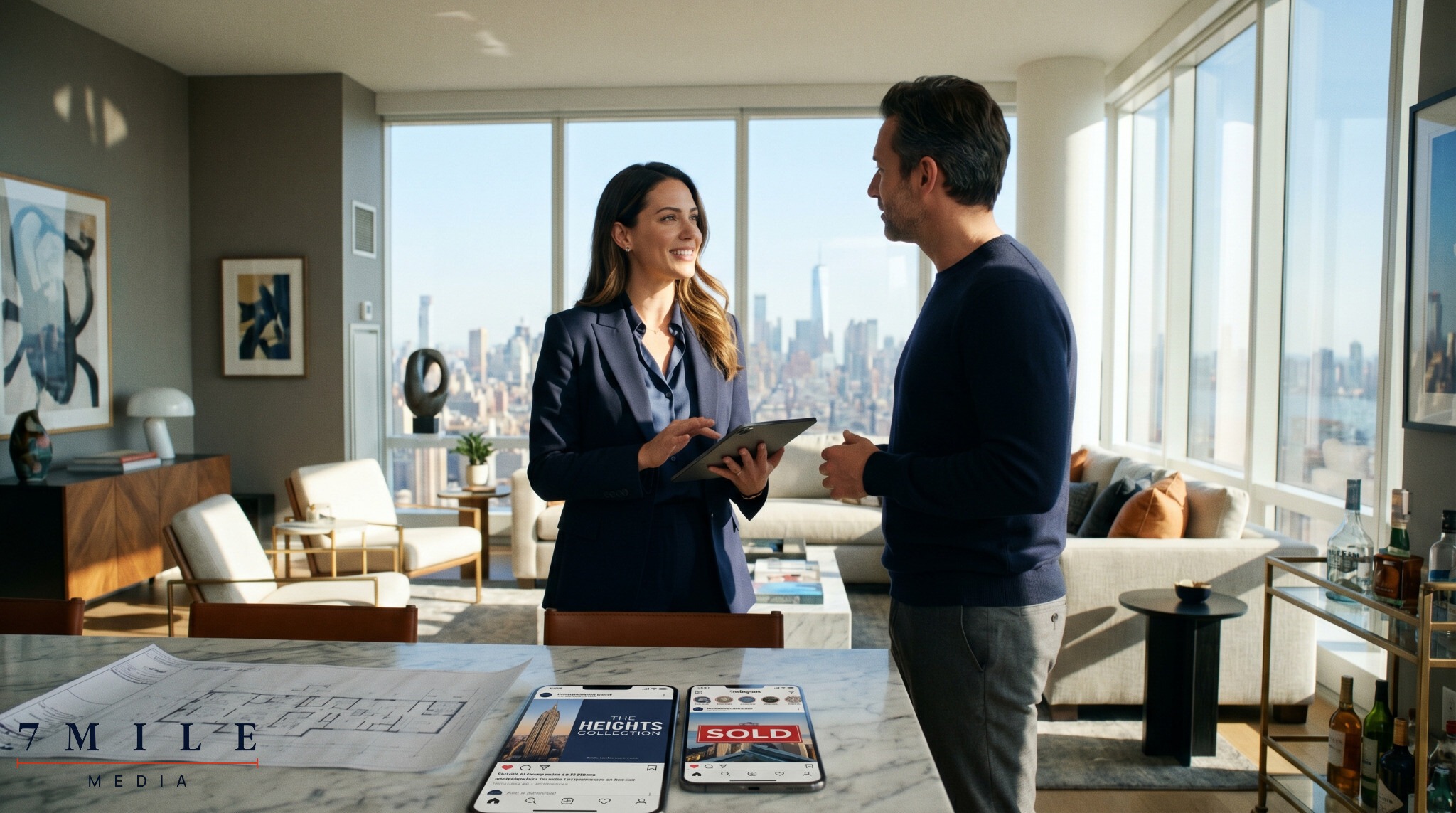
Luxury real estate marketing has entered a new era, moving beyond traditional approaches and embracing a digital-first mindset. Today’s affluent buyers expect more than lists of amenities or static brochure-style presentations—they seek personalized, immersive experiences and narratives that reflect their values, lifestyles, and aspirations. Forward-thinking agencies are now harnessing Facebook and Instagram to deliver precisely this, using data-driven strategies to attract, nurture, and convert high-net-worth leads.
Affluent audiences are active across both Facebook and Instagram, making these platforms powerful tools for reaching prospects at every stage of the buying journey. Their advanced targeting options allow marketers to zero in on specific demographics, interests, and even precise hyper-local geographies—critical when selling prestigious properties in sought-after markets. More importantly, these platforms enable real-time engagement and storytelling that build trust and brand equity.
Modern luxury buyers are shifting their focus from status-driven consumption to lifestyle-driven choices. Successful luxury real estate marketing now centers on authentic storytelling and aspirational experiences. Instead of emphasizing only square footage or designer finishes, effective campaigns highlight how properties support wellness, family life, entertaining, and seamless smart living.
For example, video walkthroughs can showcase smart home technology or eco-friendly features, while testimonials and user-generated content (UGC) spotlight genuine moments lived in these homes. Creative use of Instagram Reels, Stories, and Carousels enables marketers to illustrate the unique lifestyle advantages a property offers—whether it is a spa-inspired bathroom, a tech-enabled security system, or a vibrant, walkable neighborhood.
At the heart of data-driven real estate marketing is the intelligent use of audience segmentation and automation. Platforms like Facebook and Instagram allow marketers to build custom and lookalike audiences based on past website visitors, CRM data, or high-intent behaviors. This ensures that advertising budgets are focused on the segments most likely to convert.
Personalization is paramount. Dynamic ad creative can be tailored to reflect a prospect’s interests, from sustainable living features to proximity to top schools or recreation. A/B testing different hooks, visuals, and calls-to-action (such as “Book a Private Tour” or “Download an Exclusive Brochure”) helps refine campaigns for optimal performance.
Luxury real estate marketing demands visual excellence. High-resolution original imagery, professional video, and carefully curated branding signal exclusivity and quality. Consistency in color palettes, fonts, and watermarks reinforces brand recognition. Importantly, authentic UGC—such as client testimonials, owner stories, or behind-the-scenes content featuring agents—builds credibility and fosters trust among discerning buyers.
Facebook and Instagram’s format diversity (Carousels, Reels, Stories) allows marketers to test and deploy the most engaging visual experiences. Immersive virtual tours, drone footage, or short lifestyle clips can all be leveraged to reveal not just the property, but the refined lifestyle it enables.
Automation plays a vital role in luxury real estate marketing. Advanced integrations with CRM systems ensure leads captured via Facebook or Instagram ads are routed instantly to sales teams for immediate, personalized follow-up. Prefilled forms with qualifying questions can help filter out casual inquiries, focusing attention on high-intent prospects.
Automated sequences—such as sending an instant email or SMS upon form submission—maintain engagement and convey the white-glove service luxury clients expect. By tracking which touchpoints and messages drive the strongest responses, marketers can continually refine their approach, ensuring each lead receives a bespoke experience.
For data-driven real estate marketing, it is vital to track key performance indicators such as Click-Through Rate (CTR), Cost Per Qualified Lead, Return on Ad Spend (ROAS), and frequency. High-performing campaigns exhibit stable CPM, scalable cost per acquisition, and a clear path from initial engagement to conversion.
Weekly creative testing cycles—launching new visuals, narrative angles, or ad formats—are essential. Campaign structures should be streamlined, with one campaign dedicated to creative testing and a separate one for scaling the top performers. This approach, guided by automation and AI optimization tools, maximizes both efficiency and ROI.
The most resonant luxury real estate campaigns go beyond promotion to foster genuine community. By positioning agents, developers, and brands as trusted thought leaders, marketers can use Facebook and Instagram to organize invitation-only events, spotlight local partnerships, and create exclusive online communities. This approach nurtures relationships and positions properties as integral parts of desirable, culturally rich neighborhoods.
Luxury real estate marketing is no longer about who has the grandest property or the most ornate features. Instead, it is about who can most effectively use data, storytelling, and digital channels to forge meaningful connections with high-end leads. By leveraging the full capabilities of Facebook and Instagram—paired with automation, authentic content, and strategic measurement—agencies can scale their results, delivering a truly elevated experience from first impression to closing.
For marketers ready to lead in this new era, embracing a data-driven approach to luxury real estate marketing is not optional. It is the foundation for sustainable growth and enduring brand equity in an ever-evolving market.

