
Understanding Funnel Optimization for Service Businesses
Service businesses face unique challenges when converting paid traffic into loyal, high-value clients. Unlike e-commerce, where a sale may happen in just a few clicks, service-based conversions often require more nuanced nurturing, trust-building, and touchpoints. Funnel optimization for service businesses means crafting a seamless, logical journey that guides prospects from first awareness to loyal advocacy, maximizing every opportunity for engagement and conversion.
The Anatomy of an Optimized Service Business Funnel
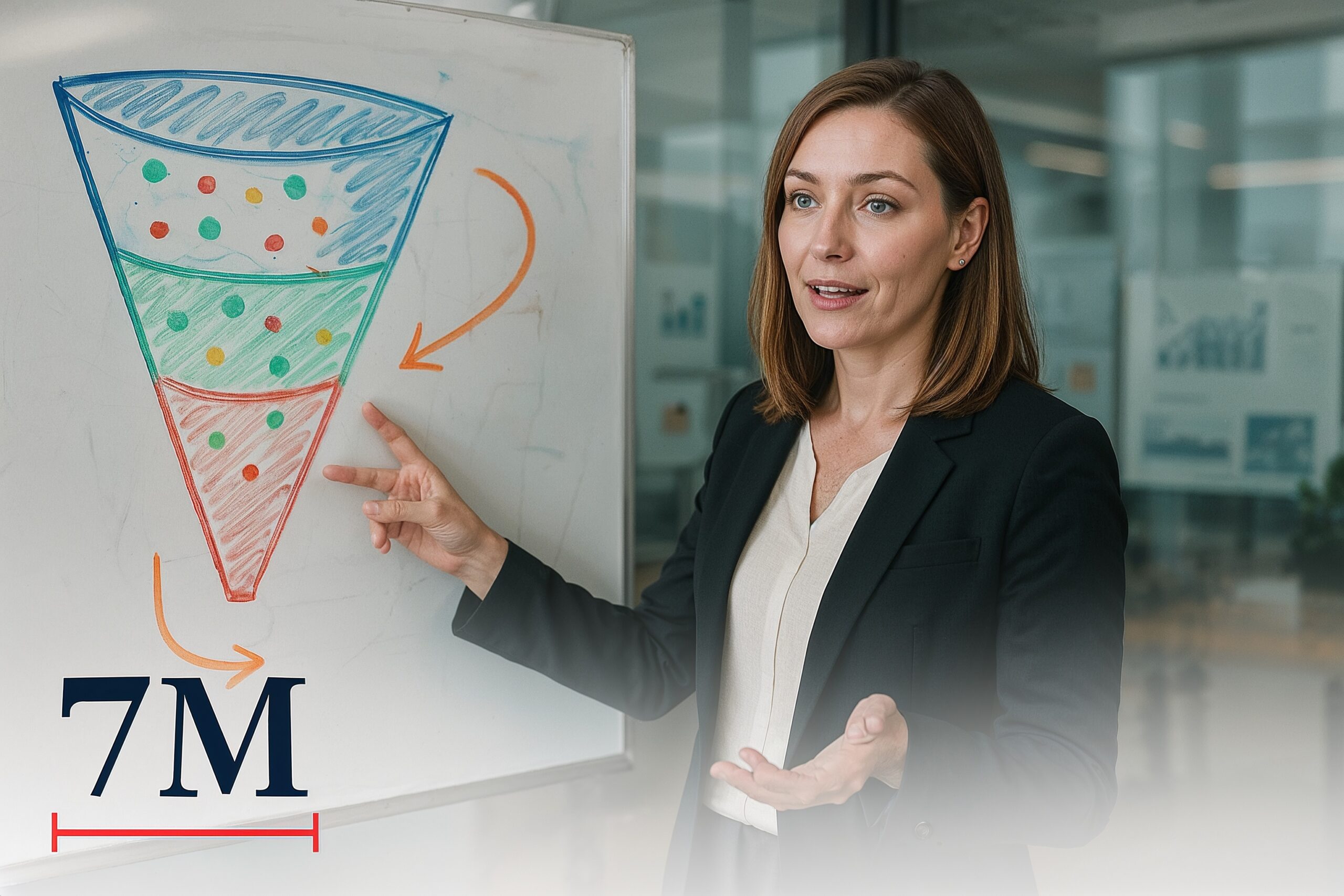
A well-optimized funnel for service businesses typically consists of three main stages:
- Top of Funnel (TOFU): Attract and engage new prospects through educational content, paid ads, and trust-building lead magnets.
- Middle of Funnel (MOFU): Nurture and qualify leads via personalized messaging, retargeting, and interactive content.
- Bottom of Funnel (BOFU): Convert nurtured leads into clients with frictionless calls-to-action, clear value propositions, and strong trust signals.
Optimizing each of these stages is crucial for reducing drop-off, increasing engagement, and achieving higher conversion rates.
TOFU: Amplifying Awareness and Capturing Quality Leads
The top of the funnel is all about building trust and capturing attention. To stand out:
- Run brand awareness campaigns on Meta (Facebook and Instagram), Google, and YouTube, using visually compelling and educational content that addresses specific pain points.
- Develop lead magnets (such as eBooks, checklists, or calculators) closely aligned with your core service, and gate them behind simple, user-friendly forms. This not only builds your email list but also segments your audience by interest.
- Leverage omnichannel marketing for consistent messaging. Prospects who encounter your brand across multiple platforms are more likely to recall and engage with your services.
- Apply AI-driven insights and analytics to personalize content and optimize targeting, using predictive analytics to identify topics that resonate with your audience.
SEO plays a critical role as well. Target buyer-intent keywords relevant to your services, and use topic clusters to boost rankings and direct users to conversion-focused pages.
MOFU: Nurturing Leads and Deepening Consideration
Middle-of-funnel activities are about building relationships and providing value that guides leads toward a purchasing decision:
- Deploy retargeting ads to re-engage website visitors and warm leads. Use dynamic ad content based on previous user interactions for higher relevance.
- Segment leads within your CRM for personalized email nurture sequences. Automated follow-ups can include case studies, webinars, or testimonials that address potential objections and build authority for your brand.
- Offer interactive content—such as live webinars, automated quizzes, or product demos—to actively involve leads and demonstrate your expertise in real-time.
- Utilize AI personalization tools to recommend relevant resources and solutions based on each lead’s behavior and profile.
Tracking engagement metrics at this stage (open rates, click-through rates, time on page) helps you refine your messaging and identify drop-off points.
BOFU: Converting Leads Into High-Value Clients
The bottom of the funnel is where conversion rate optimization becomes essential for service businesses:
- Implement Meta conversion campaigns with dynamic retargeting to recapture leads who have shown strong intent but have yet to commit.
- Present clear and compelling calls-to-action (such as “Book a Consultation” or “Request a Quote”). Use limited-time offers or incentives to create urgency and drive action.
- Provide robust trust signals—security badges, money-back guarantees, testimonials, and client logos—near key conversion points to boost confidence and reduce anxiety.
- Streamline your booking or application forms with autofill and progressive profiling, minimizing friction and maximizing completion rates.
- Deploy AI chatbots or conversational forms to answer last-minute questions and qualify leads directly on your landing pages, increasing both show rates and close rates.
Analyzing metrics like booking rate, form completion rate, and drop-off rate at this stage enables continuous improvement. Identify and address any friction points quickly to further lift your conversion rates.
Practical Funnel Models for Service Businesses
Not all service businesses need complex funnel architectures. Most can thrive using one of these core models:
- Lead Capture to Nurture to Booking: Attract leads with a valuable resource, nurture through targeted email sequences, then invite to book a call. Ideal for services requiring relationship-building.
- Direct to Booking: Allow prospects to book consultations directly from your landing page. Perfect for businesses with a strong reputation or when prospects are ready to act immediately.
- Application Style: Use an application form to qualify leads for high-ticket or selective services. This increases lead quality and streamlines the sales process.
Choose the model that best aligns with your business goals, then iterate based on data. Even simple, well-optimized funnels can deliver impressive improvements in lead quality and conversion rate.
Advanced Tactics: AI, Personalization, and Local Targeting
Modern funnel optimization for service businesses goes beyond the basics:
- Leverage AI-driven campaign optimization for real-time budget allocation and creative testing, especially on paid platforms.
- Prioritize first-party data by integrating your CRM with your digital advertising platforms. This enables more accurate segmentation and higher personalization, all while staying compliant with privacy regulations.
- Adopt video and interactive ads on platforms like YouTube and Facebook to engage mobile audiences and encourage quick actions.
- Optimize for voice search and use conversational PPC strategies to capture natural-language queries and boost discoverability for local service searches.
- Utilize hyper-local targeting, geo-fencing, and “near me” keywords to attract immediate, high-intent service inquiries, directly impacting bottom-of-funnel performance.
Continuous Testing, Analytics, and Iteration
Funnel optimization is an ongoing, data-driven process. Use analytics platforms such as Google Analytics or HubSpot to monitor:
- Lead conversion rate
- Cost per lead
- Revenue per visitor
- Content-assisted conversions
Continuously test different creatives, calls-to-action, and landing page layouts. Even minor improvements in each funnel stage can compound into substantial revenue gains for your service business.
Conclusion: Turning Paid Traffic into Predictable Revenue
The best funnel optimization for service businesses blends clarity, simplicity, and data-driven innovation. By focusing on user experience, leveraging AI and personalization, and refining your funnel through continuous testing, you transform paid traffic into a reliable, high-value client pipeline. Embrace a full-funnel approach and let analytics guide your next optimization move. The result is not just more leads, but better leads—and a thriving, scalable service business.

