
Introduction: A New Era of Digital Marketing for Service Providers
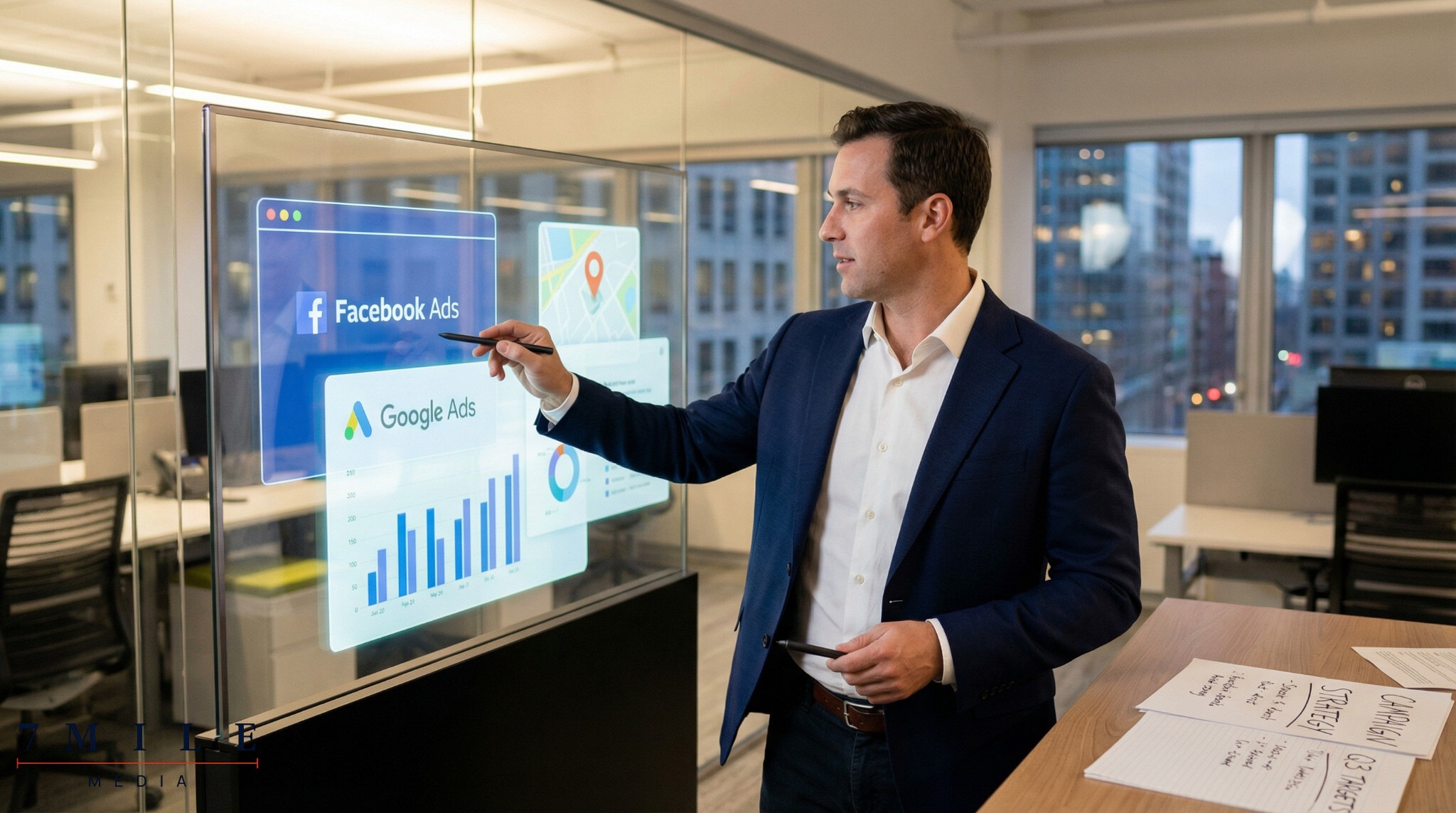
For service-based businesses—legal, real estate, and home services included—achieving sustainable growth hinges on connecting with qualified leads at the right time and place. Facebook and Google Ads remain two of the most powerful platforms for digital marketing, yet their effectiveness depends on mastering platform-specific strategies and leveraging data-driven optimization throughout the campaign lifecycle. This guide explores how to use both channels in tandem to maximize high-value lead generation, focusing on the nuanced needs of service industries.
Understanding the Unique Strengths of Facebook and Google Ads
Google Ads: Built on intent, Google Ads enables brands to capture prospects when they are actively searching for services. This is particularly advantageous for industries where urgency and high purchase intent, such as law firms or emergency home repairs, drive conversions. Search and display formats, keyword precision, and local targeting empower service businesses to put their offers in front of motivated buyers.
Facebook Ads: In contrast, Facebook Ads excels at discovering and nurturing audiences based on demographics, interests, and behaviors. With rich, visual formats—carousel, video, and lead ads—service businesses can build brand awareness, educate prospects, and retarget site visitors, all while maintaining cost-efficient reach. This is vital for services with longer consideration cycles, like real estate or high-value legal counsel.
Mapping the Customer Journey: Full-Funnel Campaign Structures
Successful lead generation for service businesses on Facebook and Google Ads requires mapping campaigns to each stage of the customer journey:
- Awareness: Use Facebook’s visual storytelling (video, carousel) and Google Display Ads to introduce prospects to your brand and expertise. Educational content, testimonials, and value-driven resources (e.g., eBooks, webinars) work well here.
- Consideration: Nurture leads with Facebook remarketing campaigns, Google Search Ads targeting relevant service keywords, and retargeting ads to visitors who have engaged with your website or previous offers.
- Conversion: Deploy high-intent Google Search campaigns and Facebook Lead Ads, optimizing landing pages for mobile and desktop users alike. Offer compelling calls-to-action such as free consultations, property valuations, or case reviews.
- Retention: Upsell and cross-sell through segmented email lists and retargeting ads, promoting complementary services or seasonal offers to existing clients.
Data-Driven Campaign Optimization: The Key to Scaling High-Value Leads
Data-driven campaign optimization is at the heart of scaling results from Facebook and Google Ads. AI-powered tools now enable more granular targeting, automated budget allocation, and dynamic creative adjustments. For instance, Facebook’s advanced lookalike and behavior-based targeting, combined with its Pixel and Conversion API, ensures precise measurement and continual improvement—even as privacy updates reshape the landscape. Google’s AI enhancements in bidding, keyword selection, and audience segmentation give service marketers the agility to capture ready-to-convert prospects efficiently.
- Segmentation: Divide your audience into micro-groups—by geography, service interest, or engagement level—for personalized ad experiences. Law firms, for example, can target by practice area and ZIP code, while real estate agencies can tailor ads to first-time homebuyers versus sellers.
- A/B Testing: Systematically test ad copy, creative formats, headlines, and offers on both platforms. Dynamic creative testing identifies what resonates best with different segments; continuous testing guards against performance plateaus.
- Attribution and Tracking: Implement proper conversion tracking and attribution across both Facebook and Google platforms. Facebook Pixel and Google Tag Manager, paired with offline conversion imports, ensure accurate ROI measurement and allow for effective retargeting.
Creative Formats That Drive Engagement and Conversions
Service brands must prioritize creative formats proven to boost engagement and conversions for their market. Key tactics include:
- Video Ads: Use short, mobile-optimized videos to showcase testimonials, case studies, or before-and-after results. Video remains the top-performing format for both awareness and conversion stages.
- Carousel and Multi-Product Ads: Ideal for highlighting service packages, customer stories, or step-by-step processes. These formats encourage interaction and deeper exploration.
- Lead Ads: Especially effective on Facebook for capturing information from prospects directly within the platform, reducing friction for busy users. Pair lead ads with a high-value incentive like a free assessment or downloadable guide for best results.
- Responsive Search and Display Ads: On Google, use these formats to adapt messaging and visuals to user search intent and device, maximizing relevance and click-through rates.
Integrating Facebook and Google Ads: Cross-Platform Synergy
The greatest results often come from an integrated approach—where Facebook and Google Ads work together to drive prospects down the funnel:
- Awareness to Intent Capture: Use Facebook to warm up cold audiences and build recognition, then retarget them with Google Search Ads when they express intent through keywords related to your services.
- Remarketing: Employ Facebook retargeting for website visitors and Google’s Remarketing Lists for Search Ads (RLSA) to capture those who have previously engaged but not yet converted.
- Content-Driven Demand: Share educational blog posts, webinars, or video guides across both platforms to nurture leads and reinforce expertise, moving prospects closer to conversion.
Local Targeting and Personalization: The Service Industry Advantage
Hyper-local targeting and personalized messaging are especially impactful for service-based businesses. Utilize ZIP code, city, or radius targeting in both platforms to reach prospects in your service area. Tailor creative and offers to address local needs—such as seasonal home repairs or legal services for specific communities—and ensure every touchpoint feels relevant to the audience’s immediate context.
Best Practices for Ongoing Campaign Success
- Leverage AI and Automation: Embrace platform-driven automation for bidding and budget allocation, but always monitor and intervene where human judgment is required. AI can help identify patterns and opportunities, but regular oversight ensures campaigns stay on strategy.
- Regular Reporting and Iteration: Analyze performance data weekly, focus on key metrics like CPL, CTR, and conversion rates, and shift budgets to the best-performing campaigns. Iterative optimization is essential for sustainable growth.
- Compliance and Data Privacy: Stay updated on privacy regulations affecting targeting and data collection. Use first-party data where possible and implement Facebook’s Conversion API and Google’s enhanced conversion tracking to maintain attribution accuracy.
Conclusion: Outperform Competitors with Data-Driven Omnichannel Strategy
Mastering Facebook and Google Ads for service industries requires a nuanced, data-driven approach—one that aligns campaign structure to the customer journey, leverages creative formats tailored to your audience, and integrates both platforms for maximum lead generation impact. By continually optimizing campaigns, embracing AI-powered tools, and focusing on local relevance, service businesses in legal, real estate, and home services can generate high-value leads and achieve scalable, measurable growth in a crowded digital landscape.

