
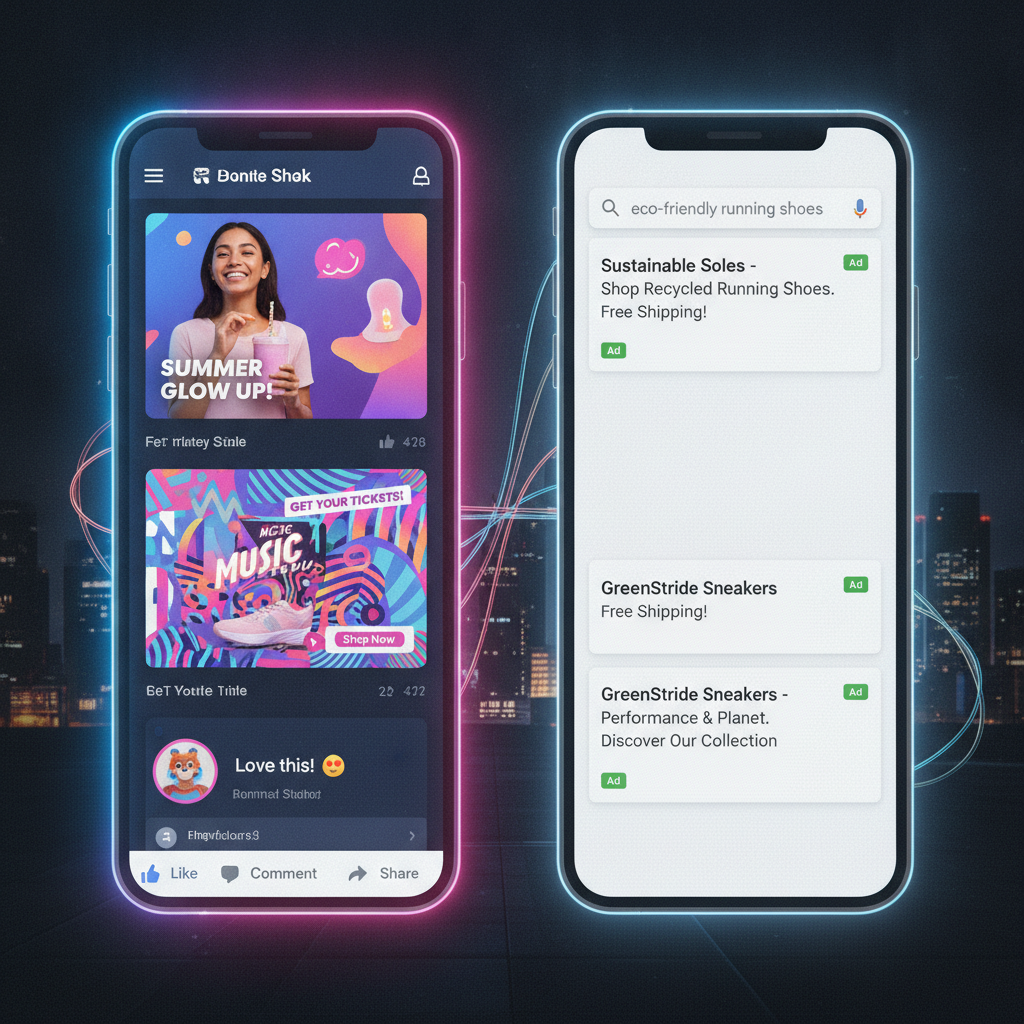
In the digital marketing world, the debate around Facebook Ads vs Google Ads for lead generation has become more relevant than ever. With businesses increasingly operating online, choosing the right advertising platform can make a significant difference in reaching your target audience and converting them into valuable leads. Whether you’re a small business owner, a developer, or simply someone looking to grow your business, understanding the strengths and weaknesses of each platform is crucial. Both Facebook Ads and Google Ads offer unique advantages, but their effectiveness depends on your goals, budget, and industry. In this comprehensive guide, we’ll break down the differences, benefits, and practical considerations of Facebook Ads vs Google Ads for lead generation, helping you make an informed decision that aligns with your business objectives. By the end, you’ll have a clear roadmap for harnessing the power of digital advertising to drive more leads and grow your business.
Facebook Ads vs Google Ads for Lead Generation
When comparing Facebook Ads vs Google Ads for lead generation, it’s important to understand how each platform operates. Facebook Ads are designed to target users based on their interests, behaviors, and demographics, making them highly effective for reaching new audiences who may not be actively searching for your service. In contrast, Google Ads target users who are actively searching for specific keywords, placing your business in front of people with immediate intent. The choice between these platforms often comes down to your marketing objectives and the nature of your business. For those looking to build brand awareness and nurture leads over time, Facebook Ads can be a powerful tool. If your goal is to capture leads at the moment they’re searching for your solution, Google Ads may provide quicker results. Many businesses choose to leverage both platforms, but understanding their core differences is the first step. If you want expert guidance on maximizing Facebook Ads, consider working with an advertising agency Facebook specialists trust for results. For related information, see advertising agency Facebook.
How Facebook Ads vs Google Ads Boost Lead Generation Success
Both Facebook Ads and Google Ads offer robust tools for boosting lead generation, but they do so in different ways. Facebook Ads excel at targeting cold audiences and building interest through visually engaging content, such as videos and carousel ads. This approach is ideal for businesses aiming to create demand and nurture leads over time. On the other hand, Google Ads allow you to capture leads at the point of intent, when users are actively searching for solutions. This can result in higher conversion rates and faster ROI. Additionally, Google Ads offer advanced targeting options like remarketing, which can help re-engage users who have previously interacted with your website. Combining both platforms can amplify your lead generation efforts by covering the full spectrum of the buyer’s journey. If you’re looking to optimize your campaigns, investing in professional Google Ads management can help you maximize every advertising dollar. For related information, see Google Ads management.
Which Platform Is Right for You? Facebook Ads vs Google Ads Explained
Choosing between Facebook Ads vs Google Ads for lead generation depends on your business goals, budget, and target audience. If your product or service requires education or awareness before purchase, Facebook Ads can help you reach users who may not know they need your solution yet. For businesses targeting users with immediate intent, Google Ads can deliver faster results by placing your offer in front of people actively searching for it. Consider your sales cycle, the complexity of your offering, and your available resources. Testing both platforms with small budgets can provide valuable insights into what works best for your business. For tailored advice and to streamline your decision-making process, you can schedule a strategy session with digital advertising experts who can help you chart the optimal path forward. For related information, see schedule a strategy session.
Audience Targeting: How Facebook and Google Differ
One of the biggest differences between Facebook Ads vs Google Ads for lead generation lies in audience targeting. Facebook Ads allow you to build highly specific audiences based on interests, behaviors, demographics, and even custom data like email lists. This enables businesses to reach new prospects who fit their ideal customer profile, even if they’re not actively searching for your service. Google Ads, by contrast, focus on keyword intent, targeting users who are searching for particular terms related to your business. This means Google Ads are often more effective for capturing leads with immediate purchase intent, while Facebook Ads excel at creating demand and nurturing leads over time. Understanding these distinctions helps you allocate your budget more effectively and design campaigns that align with your marketing goals.
Ad Formats and Creative Options
The variety of ad formats available on Facebook Ads vs Google Ads for lead generation can influence your campaign’s effectiveness. Facebook offers visually rich formats like carousel ads, video ads, and lead forms that appear directly in the user’s feed, making it easy to capture information without leaving the platform. Google Ads, on the other hand, primarily use text-based search ads, but also offer display ads, shopping ads, and YouTube video ads. The choice of format depends on your audience and goals. Facebook’s creative options are ideal for storytelling and brand building, while Google’s formats are optimized for direct response and conversions. Testing different creatives on both platforms can help identify what resonates best with your audience and drives the most qualified leads.
Cost Comparison: Facebook Ads vs Google Ads
Budgeting for Facebook Ads vs Google Ads for lead generation requires understanding how each platform charges for ads and what you can expect in terms of cost per lead. Facebook Ads typically operate on a cost-per-impression (CPM) or cost-per-click (CPC) basis, with costs varying based on audience targeting and competition. Google Ads primarily use a pay-per-click (PPC) model, where you bid on keywords and pay when someone clicks your ad. Costs can fluctuate significantly depending on industry and keyword competitiveness. Generally, Facebook Ads may offer lower costs for broad targeting, while Google Ads can be more expensive but deliver higher intent leads. Monitoring your campaigns and optimizing for cost efficiency is key to maximizing your advertising ROI.
Performance Tracking and Analytics
Accurate performance tracking is essential when running Facebook Ads vs Google Ads for lead generation. Both platforms offer robust analytics dashboards that allow you to monitor impressions, clicks, conversions, and cost metrics. Facebook’s Ads Manager provides detailed insights into audience engagement, while Google Ads offers granular reporting on keyword performance and conversion tracking. Integrating both platforms with tools like Google Analytics can give you a holistic view of your marketing funnel. Regularly reviewing your data helps identify what’s working, where to allocate your budget, and how to refine your campaigns for better results. Setting up proper tracking from the start ensures you can measure ROI and make data-driven decisions as your campaigns evolve.
Lead Quality: Which Platform Delivers Better Results?
When considering Facebook Ads vs Google Ads for lead generation, lead quality is a critical factor. Google Ads often deliver higher quality leads because users are actively searching for solutions, indicating stronger intent. These leads may be closer to making a purchase or taking action. Facebook Ads, while excellent for building awareness and nurturing prospects, can sometimes generate leads that require more follow-up and education. However, with precise targeting and compelling creative, Facebook can also deliver highly qualified leads. The key is to define what a quality lead looks like for your business and track the downstream results of each platform. By analyzing conversion rates and customer lifetime value, you can determine which platform aligns best with your goals.
Table: Key Differences Between Facebook Ads and Google Ads
| Feature | Facebook Ads | Google Ads |
|---|---|---|
| Targeting | Interests, demographics, behaviors | Keywords, search intent, remarketing |
| Ad Formats | Image, video, carousel, lead forms | Text, display, shopping, video |
| Lead Intent | Passive, discovery-driven | Active, intent-driven |
| Cost Model | CPM, CPC | PPC, CPM |
| Best For | Brand awareness, audience building | Capturing high-intent leads |
Integrating Facebook Ads and Google Ads for Maximum Impact
Rather than choosing between Facebook Ads vs Google Ads for lead generation, many successful businesses integrate both platforms into their marketing strategy. Using Facebook Ads to build awareness and nurture leads at the top of the funnel, and Google Ads to capture high-intent leads at the bottom, creates a seamless journey for your prospects. Retargeting users who engage with your Facebook Ads using Google Ads, or vice versa, can increase conversion rates and maximize your ad spend. The key is to align your messaging and creative across both platforms and use data to inform your strategy. By leveraging the strengths of each, you can create a comprehensive lead generation engine that drives consistent results and supports long-term growth.
Common Mistakes to Avoid in Lead Generation Campaigns
Running Facebook Ads vs Google Ads for lead generation can be highly effective, but common mistakes can undermine your results. One frequent error is neglecting to define clear goals and KPIs before launching campaigns, making it difficult to measure success. Another mistake is failing to segment audiences, resulting in generic messaging that doesn’t resonate. Overlooking the importance of creative testing can also limit your campaign’s potential. Additionally, not tracking conversions properly or ignoring negative keyword lists in Google Ads can waste budget. To avoid these pitfalls, start with a clear strategy, use data-driven insights to refine your approach, and continuously test and optimize your ads. This disciplined approach will help you generate more qualified leads and achieve better ROI from both platforms.
Final Thoughts
Deciding between Facebook Ads vs Google Ads for lead generation is not a one-size-fits-all choice. Each platform offers unique strengths that can be leveraged depending on your business goals, target audience, and resources. Facebook Ads are ideal for building brand awareness, nurturing leads, and reaching new audiences, while Google Ads excel at capturing high-intent leads ready to take action. For many businesses, combining both platforms delivers the best results, creating a full-funnel approach that maximizes lead generation. By understanding the differences, tracking performance, and continuously optimizing your campaigns, you can unlock the full potential of digital advertising. Take the time to experiment, analyze your data, and adapt your strategy to stay ahead in the competitive world of online lead generation.

