
Introduction
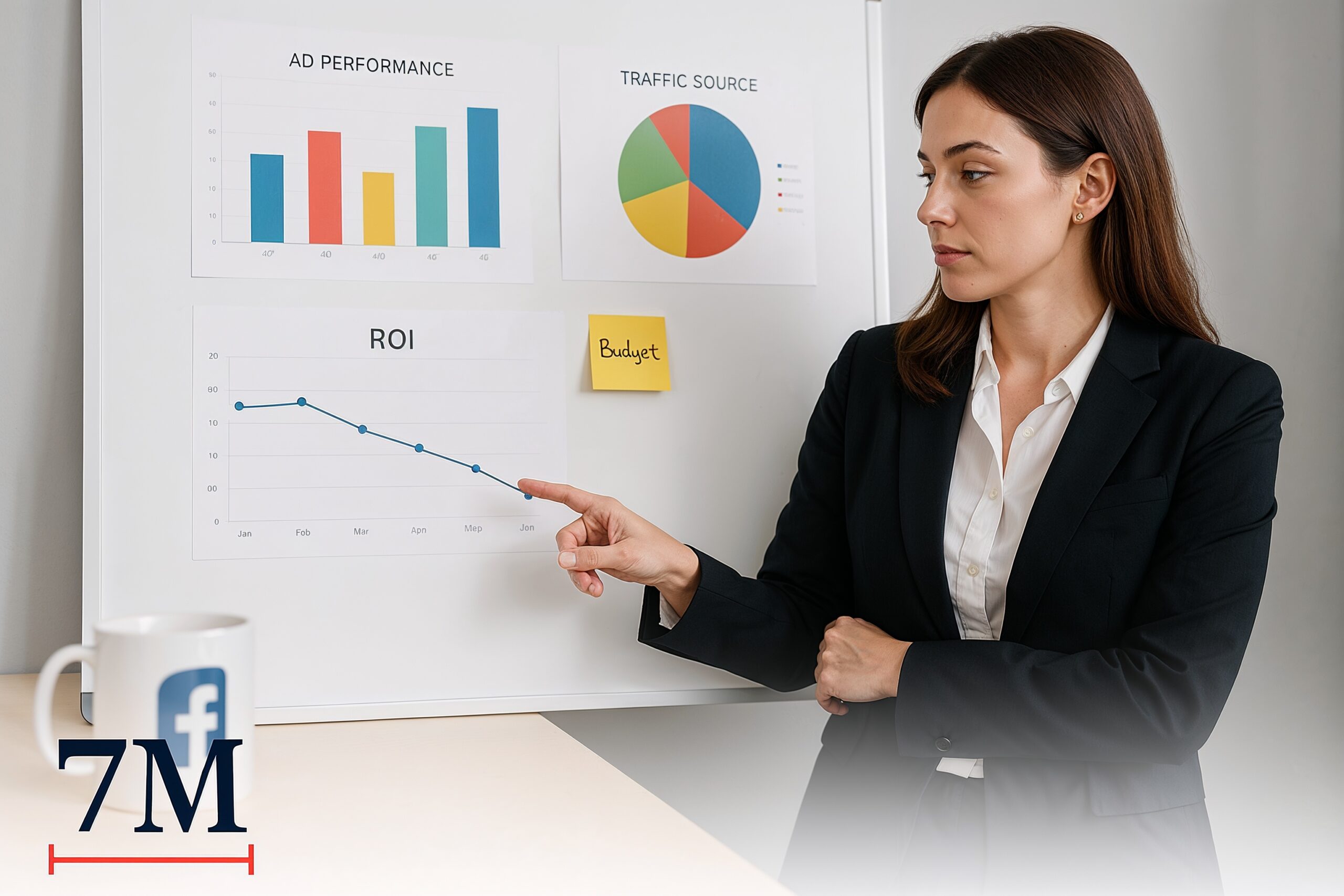
Facebook remains one of the most powerful platforms for digital advertising, but its complexity means even experienced marketers can fall prey to common mistakes that drain budgets and reduce ROI. Understanding what are common mistakes when running Facebook ads is essential for any brand or agency aiming to drive profitable, scalable campaigns. This guide dissects these pitfalls and helps you build a smarter, more data-driven Facebook ad strategy.
Failing to Set Clear, Measurable Objectives
One of the first and most costly missteps is launching campaigns without well-defined objectives. Choosing ‘Traffic’ instead of ‘Purchases,’ for example, leads Facebook’s algorithm to optimize for clicks rather than conversions. This attracts low-intent users and can double your cost per acquisition. Reverse-engineer your Facebook ad strategy by starting with the end goal—whether that’s sales, leads, or brand awareness—and structure your campaign objectives accordingly.
Ignoring Audience Segmentation and Overlap
Proper audience segmentation is the backbone of Facebook ad optimization. Mixing cold (new prospects) and warm (retargeted) audiences in a single campaign muddies your messaging and wastes budget. Additionally, targeting multiple ad sets to similar audience segments causes self-competition in the ad auction, increasing costs. Use custom and lookalike audiences, apply exclusions for existing customers, and keep prospecting and retargeting separate for maximum efficiency.
Scaling Spend Too Quickly
Many believe simply increasing budget will yield better results, but Facebook’s algorithm needs time to adapt. Rapid scaling often pushes your ads to less relevant audiences, causing cost per thousand impressions (CPM) and cost per acquisition (CPA) to spike. Always test with smaller budgets, validate creative and audience performance, and scale gradually based on data.
Misusing Tracking and Conversion Data
Incomplete or incorrect tracking is one of the biggest threats to Facebook ad ROI. Failing to implement both the Facebook Pixel and Conversions API leads to missing crucial data, skewed optimization, and poor reporting. Use tools like Pixel Helper to audit your tracking and connect integrations such as Google Analytics or Hotjar for a deeper performance analysis. This ensures your conversions are accurately measured and that your optimization is driven by real results.
Neglecting the Learning Phase
Facebook ads require a learning phase to gather enough data for optimal delivery. Making frequent changes to targeting, creative, or budget resets this phase, hurting performance. Avoid tweaks for at least 48–72 hours post-launch. Respect the algorithm’s process and let your campaigns reach statistical significance before making adjustments.
Over-Segmenting or Overcomplicating Campaign Structure
Many marketers carry over Google Ads habits and create too many small ad sets. This leads to ‘learning limited’ status, where Facebook’s algorithm cannot optimize due to insufficient data. Consolidate ad sets to larger audiences—ideally between 2–40 million—so the algorithm can make informed, efficient delivery decisions.
Relying on Vanity Metrics
It’s common to chase high click-through rates (CTR) or low cost per click (CPC), but these do not guarantee sales. Cheap traffic can inflate CTRs while failing to convert, especially if landing pages or offers are weak. Focus instead on meaningful metrics: cost per acquisition (CPA), return on ad spend (ROAS), and customer lifetime value. Align your optimization strategy to these figures for long-term profitability.
Inadequate Creative Refresh and Messaging
Ad fatigue is a silent killer of Facebook ad ROI. Allowing creatives to go stale leads to lower engagement and higher costs. Rotate your ads every 7–14 days for high-spend campaigns and test both static images and videos to determine what resonates with different audience segments. Concise, benefit-driven headlines (about five words) and succinct main text (about 14 words) are proven to improve performance.
Poor Mobile Optimization
With most Facebook usage happening on mobile, non-mobile-friendly landing pages result in wasted clicks and lost conversions. Ensure your creative, forms, and checkout processes are optimized for mobile devices. Load times, clear calls-to-action, and seamless experiences matter more than ever in today’s mobile-first landscape.
Disregarding Campaign Maintenance and Ongoing Testing
Facebook ad success is never ‘set and forget.’ Routine creative refresh, regular audience and metric reviews, and ongoing split-testing are critical to stay ahead of fatigue and platform changes. Test one variable at a time for statistically sound insights, and leverage automation tools like Advantage+ Shopping, but only after ensuring your underlying data and tracking are reliable.
Conclusion: Adopt a Data-Driven, Iterative Approach
The most successful Facebook advertisers are those who treat campaigns as dynamic systems, constantly optimizing based on meaningful data. Avoid these common mistakes by aligning your objectives, refining your structure, ensuring airtight tracking, and prioritizing creative innovation. By focusing on true ROI metrics and iterative testing, you can turn underperforming Facebook ad campaigns into scalable, profitable growth engines.

