
Introduction: Why Data Driven Marketing Matters for Service Businesses
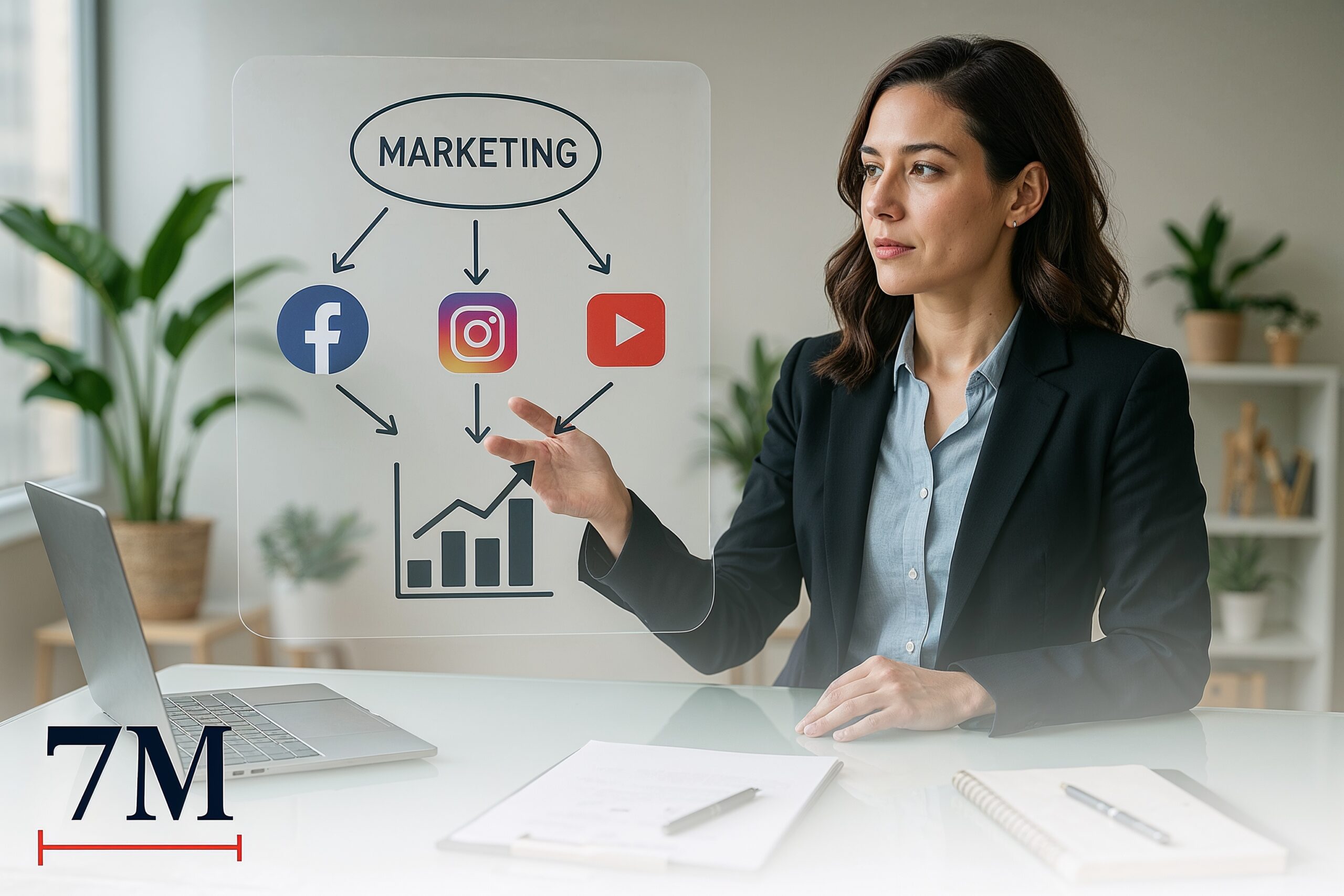
In today’s fast-moving digital landscape, data driven marketing for service businesses is no longer a luxury—it is a requirement for scalable, sustainable growth. With increasing competition, changing privacy regulations, and rising customer expectations, service businesses must do more than just collect data. They must operationalize it, transforming numbers into insights and insights into actionable strategies that drive profit across platforms like Facebook, Instagram, Google, and YouTube.
Operationalizing Data: From Collection to Action
For many service businesses, data exists in silos—spread across CRMs, websites, social channels, and advertising platforms. This fragmented approach restricts your ability to personalize experiences or optimize your campaigns in real time. The first step is centralizing data and choosing analytics tools that integrate seamlessly across your marketing stack. Platforms like HubSpot, Google Analytics, and Salesforce Marketing Cloud make it possible to unify your data sources, giving you a holistic view of your prospects and customers.
Once centralized, leverage automation and AI-powered analytics to interpret the data. These advanced tools can identify patterns, segment audiences, and recommend actions faster than humanly possible. For example, AI can analyze engagement trends on Facebook ads or predict conversion likelihood based on website behavior, empowering you to adjust your campaigns proactively.
Scaling Campaigns on Major Platforms: Best Practices
1. Facebook and Instagram: Hyper-Personalization and Real-Time Optimization
Facebook and Instagram offer detailed targeting options, but data driven marketing takes this further. Go beyond demographic targeting—use behavioral and psychographic data to build highly specific audiences. With unified data, you can create lookalike audiences based on your best customers and personalize ad messaging for each segment.
A/B testing is crucial. Launch multiple creative variants and monitor performance in real time. AI-driven tools can help you identify which headlines, images, or offers convert best, enabling rapid iteration and improved ROI.
2. Google: Predictive Analytics and Search Intent
Google thrives on intent signals. Integrate predictive analytics to anticipate which search queries indicate purchase readiness. Structure your data and content so that it is easily indexed—not only by Google’s traditional search but also by AI-driven search engines and assistants.
Unified analytics dashboards allow you to attribute conversions accurately across paid and organic campaigns. This helps you allocate spend to keywords, ads, or landing pages that deliver the highest return.
3. YouTube: Data-Informed Storytelling
YouTube is a powerful platform for combining data insights with compelling, emotionally resonant storytelling. Analyze watch-time, drop-off points, and viewer engagement metrics to refine your content strategy. Predictive models can help you understand which topics, tones, and calls-to-action are most likely to engage your audience and drive conversions.
Building a Data-Driven Culture: The Human Element
Technology alone cannot deliver successful data driven marketing for service businesses. The real advantage comes from fostering a culture that values data literacy, curiosity, and continuous learning. Encourage your team to question assumptions, interpret analytics, and act decisively on insights.
Empower all departments—from sales to customer service—to access and utilize marketing data. This cross-functional approach ensures that every customer touchpoint is informed by data, resulting in a more seamless and personalized experience.
Privacy, Compliance, and Trust
As third-party cookies phase out and privacy regulations like GDPR and CCPA intensify, collecting and using data responsibly is paramount. Focus on first-party data strategies—such as website analytics, CRM records, and loyalty programs—ensuring you obtain clear consent and manage data securely.
Adopt privacy-by-design frameworks and regularly audit your data collection processes. Transparent communication about how customer data is used builds trust and protects your brand reputation.
Measuring Success: KPIs and Continuous Optimization
Define clear KPIs that are directly linked to business outcomes: cost per acquisition, customer lifetime value, retention rate, and ROI. Use real-time analytics dashboards to monitor these metrics, enabling agile decision-making and ongoing optimization.
Embrace agile marketing methodologies, such as continuous A/B testing and rapid experimentation. Predictive analytics allow you to spot trends early and pivot campaigns before significant budget is spent.
When to Partner with Data Science and Analytics Experts
Service businesses with limited internal resources or fragmented data may benefit from partnering with specialized agencies. These firms bring advanced expertise in predictive analytics, machine learning, creative testing, and campaign orchestration. Look for partners with clear industry experience, robust compliance frameworks, and a proven track record in digital campaign scaling for service industries.
Conclusion: Future-Proofing Service Businesses with Data Driven Marketing
Data driven marketing for service businesses is the foundation for profitably scaling campaigns on Facebook, Instagram, Google, and YouTube. By centralizing data, leveraging automation and predictive analytics, fostering a data-minded culture, and respecting privacy, service businesses can unlock unprecedented growth. The key is to blend technology with human insight—turning raw data into real, measurable business results.

