
Understanding Customer Acquisition Cost in High-Ticket Funnels
Customer acquisition cost (CAC) is a foundational metric for every business, but it becomes especially critical when scaling high-ticket offers. In high-ticket sales funnels, where each conversion may mean thousands of dollars, optimizing CAC is not just about efficiency—it’s about maximizing profitability and sustaining growth.
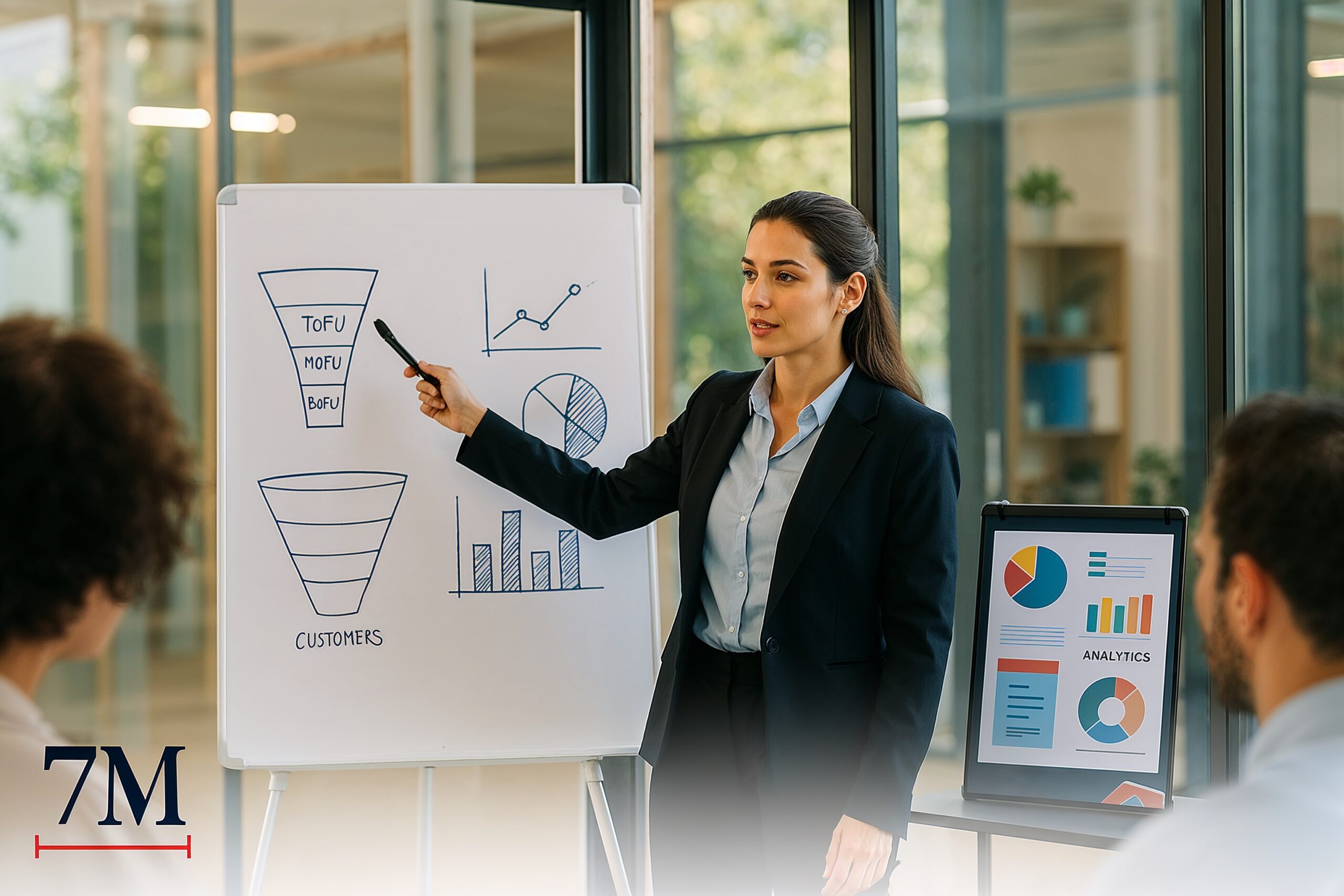
A well-architected high-ticket funnel moves prospects through a deliberate path: from initial awareness to purchase and beyond, often incorporating upsells and retention offers. However, every funnel stage—from the first ad impression to final checkout—presents opportunities for cost savings or unnecessary spend. The journey to effective customer acquisition cost optimization begins with granular visibility into each of these stages.
The Data-Driven Approach to Funnel Diagnostics
At the core of optimization is data. Start by mapping your funnel’s stages and gathering benchmarks for conversion rates, lead-to-customer ratios, time-in-stage, CPL (cost per lead), and, crucially, customer lifetime value (CLV). Use analytics and funnel visualization tools to spot bottlenecks, such as high drop-off on landing pages or inefficient ad spend on underperforming channels.
When a particular channel or ad set shows elevated CAC, investigate possible causes: Is the targeting off? Does the creative fail to resonate? Are leads dropping during onboarding? Data-driven advertising empowers you to adjust budgets, creatives, and placements in real-time, ensuring that every dollar works harder toward acquiring quality customers.
Optimizing Lead Quality and Channel Selection
Not all leads are created equal—especially in high-ticket funnels. By focusing on audiences that match your ideal customer profile, you reduce spend on low-probability prospects and improve the overall efficiency of your funnel. Implement lead scoring and qualification processes to filter out non-committed leads early, and direct nurturing resources toward prospects most likely to convert.
Evaluate acquisition channels rigorously. For high-ticket offers, paid social platforms like Facebook, Instagram, Google, and YouTube remain powerful, but their efficiency depends on creative relevance and segmentation. Consider blending paid tactics with organic content marketing, search engine optimization, and referral programs to reduce blended CAC and build a sustainable acquisition engine.
Nurturing, Conversion Rate Optimization, and Automation
Effective nurturing keeps leads engaged, educated, and primed to convert. Personalized email sequences, educational content, and timely offers move prospects down the funnel while maintaining a personal touch. Conversion rate optimization (CRO) tactics—such as simplifying landing pages, streamlining checkout flows, and using persuasive calls to action—directly increase the impact of your ad spend by converting more of your hard-won traffic.
Automation is essential for scaling without ballooning costs. Modern CRM and marketing automation platforms enable real-time lead routing, behavioral segmentation, and dynamic content delivery. For high-ticket funnels, automation ensures every qualified lead receives consistent, timely follow-up, freeing your sales team to focus on closing rather than chasing contacts.
Continuous Measurement and Funnel Iteration
Customer acquisition cost optimization is not a one-time project—it’s an ongoing process. Establish clear KPIs for each funnel stage and conduct regular reviews using A/B tests, conversion tracking, and retrospective analysis of prior campaigns. Small optimizations—such as tweaking a landing page headline or reducing friction in a web form—can yield outsized CAC reductions, particularly when compounded over time.
Document all experiments and their outcomes. This institutional knowledge supports rapid iteration and avoids repeating past mistakes. A culture of continuous improvement ensures that CAC stays in check even as you scale and pursue new market opportunities.
Advanced Strategies for High-Ticket Customer Acquisition Cost Optimization
1. Segmented Funnels and Lifecycle Personalization: Tailor messaging and offers based on audience segments, such as readiness to buy or business maturity. Ascension models—offering low-friction entry products before upselling—help maximize both CLV and CAC efficiency.
2. Referral and Partnership Leverage: Encourage satisfied clients to refer new business with dual-incentive programs. Strategic partnerships with complementary businesses allow you to share acquisition costs and reach new, high-value clients cost-effectively.
3. Content and SEO as Acquisition Engines: Invest in topic clusters and pillar content to attract high-intent traffic. Organic channels, while slower to build, deliver compounding value and reduce dependency on rising paid ad costs.
4. Video and Creator Marketing: Personalized video funnels and creator partnerships (especially with micro-influencers) drive authenticity and trust, often outperforming broad targeting with traditional ads for high-ticket niches.
Bringing It All Together: Scalable Profitability for 7-Figure Brands
For 7-figure brands, customer acquisition cost optimization is the lever that unlocks true scale. By applying data-driven advertising, rigorous funnel diagnostics, and continuous CRO, you can cut CAC while increasing conversion rates and customer value. Blend paid and organic strategies, nurture leads systematically, and automate wherever possible for sustainable, profitable growth.
Remember, the most successful high-ticket brands treat CAC optimization as an ongoing discipline. With the right mix of technology, strategy, and experimentation, your funnel becomes not just a path to growth, but a self-improving engine for scalable profit.

