
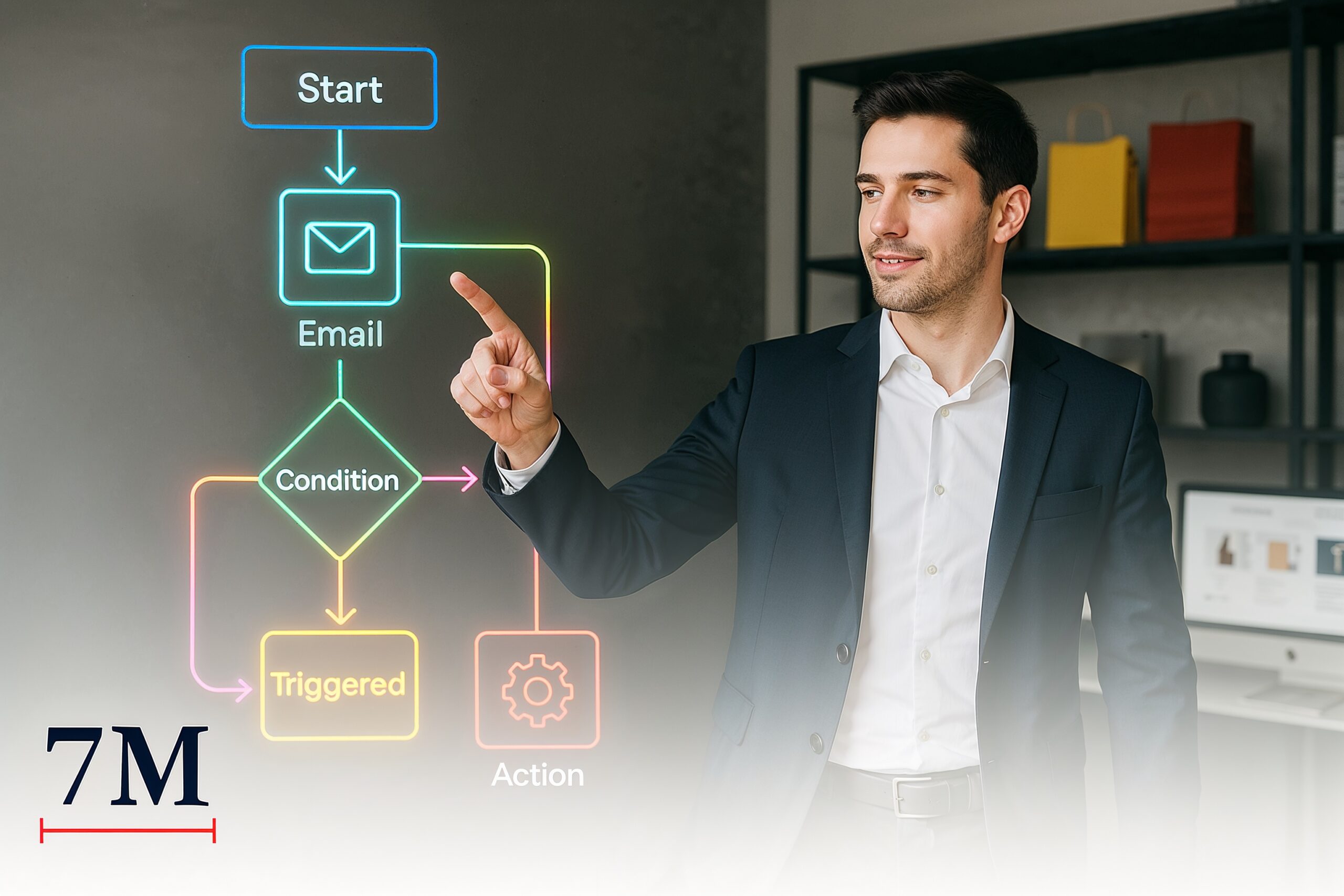
Why Automation Triggers Matter in Ecommerce Email Campaigns
Automated email marketing has become essential for ecommerce brands that want to compete and scale efficiently. Instead of relying on generic newsletters, forward-thinking marketers turn to automation triggers for ecommerce email campaigns to reach their customers at the right moment with relevant, personalized messaging. These triggers help recover lost sales, nurture leads, increase lifetime value, and drive conversions—delivering precisely-timed messages based on real customer behavior.
Core Automation Triggers Every Ecommerce Brand Needs
- Cart Abandonment Reminders: One of the highest-ROI triggers, cart abandonment emails are sent to customers who add items to their cart but do not complete the purchase. Timing is crucial—deploy the first reminder within an hour, personalize with product details, and consider offering a time-limited incentive in follow-ups. Best practice includes a multi-email sequence, increasing urgency or value with each email to maximize recovery rates.
- Welcome Series: When someone joins your list, a welcome automation introduces your brand, highlights value, and sets expectations for future communication. A strong welcome series builds trust, increases engagement, and can convert new subscribers into first-time buyers with exclusive offers or value-driven content.
- Onboarding Sequences: For customers who make a purchase or sign up for a service, onboarding emails nurture satisfaction, provide tutorials, answer FAQs, and prompt users to get the most out of their experience. These touchpoints are also key for collecting feedback and suggesting relevant add-ons, ensuring higher retention and lifetime value.
- Post-Purchase and Cross-Sell Triggers: After a sale, automated follow-ups can thank customers, request reviews, and recommend complementary products. When timed well, these emails reinforce loyalty and increase average order value through data-driven product recommendations.
- Re-Engagement and Win-Back Campaigns: Triggered by subscriber inactivity, these campaigns aim to rekindle interest with personalized offers, content tailored to the user’s previous behavior, or requests for feedback. Automated win-back emails can rescue lapsed subscribers, keeping your list clean and engaged.
- Event-Triggered Emails: Sending emails based on specific behaviors (like browsing history, price drops, back-in-stock alerts, birthdays, or anniversaries) keeps your brand top of mind. Hyper-segmented, these automations deliver high conversion rates by aligning offers with real-time customer needs and interests.
How Data and Segmentation Power Your Triggers
The effectiveness of automation triggers relies on robust data and smart segmentation. Segment your audience based on:
- Demographics (age, location, gender)
- Behavioral data (pages viewed, products browsed, cart actions)
- Transactional data (purchases, spending ranges, frequency)
- Engagement data (open/click history, preferred channels)
- User preferences (interests, sizes, color choices)
Dynamic content blocks can tailor product recommendations, offers, and even visuals based on each recipient’s profile. The result is a highly personalized inbox experience that drives higher open and click-through rates—central to personalization strategies for higher open rates.
AI and Advanced Automation for Next-Level Personalization
Modern email platforms integrate AI to analyze user data and behavior in real time. AI-driven segmentation tools can:
- Predict optimal send times for each subscriber
- Suggest products based on browsing and purchase patterns
- Adjust content dynamically for relevance
- Identify disengaged users for re-engagement triggers
For teams investing in AI in marketing workshops, there is immense value in understanding how machine learning can optimize automation triggers, deliver more effective sequences, and dynamically refine content for maximum impact.
Designing Effective Email Sequences for Nurturing Leads
An effective automation sequence is not a single email but a carefully planned journey. For example, email sequences for nurturing cold leads might begin with educational content, proceed with testimonials or case studies, then offer a time-limited discount to drive conversions. Each email in the sequence should have a singular, focused goal—whether it is to educate, prompt a reply, secure a sale, or request feedback.
Best Practices for Automation Triggers in Ecommerce
- Optimize Timing and Frequency: Send cart reminders within an hour; time win-back campaigns based on observed inactivity patterns. Avoid oversending—base frequency on engagement data and customer lifecycle stage.
- Clear, Actionable CTAs: Each email should have one prominent call to action. Too many CTAs create confusion and reduce conversions.
- Mobile-First Design: Use responsive layouts, concise copy, large tappable buttons, and optimized images to ensure every triggered message looks great and performs on any device.
- Leverage Urgency and Social Proof: Add countdown timers, highlight limited-time offers, use customer reviews, and display real-time inventory data to increase conversion rates.
- Compliance and List Hygiene: Stay compliant with privacy laws, provide clear opt-out options, and regularly clean your list to maintain deliverability and trust.
- Continuous Testing and Optimization: A/B test subject lines, timing, incentives, and creative elements. Use analytics to measure open, click, and conversion rates, and iterate based on performance.
Choosing the Right Tools and Setting Up Automation Triggers
Most leading email marketing platforms—such as Klaviyo, ActiveCampaign, MailChimp, and WooCommerce-integrated solutions—offer visual workflows for building automated sequences. Look for tools that enable:
- Seamless CRM and ecommerce integration
- Drag-and-drop workflow builders
- Behavioral and transactional triggers
- Dynamic personalization and segmentation
- Real-time analytics and reporting
Investing in the right stack empowers your team to set up, test, and scale data-driven automations effortlessly.
Real-World Results: Why Triggers Drive ROI
Leading ecommerce brands using sophisticated automation triggers report higher open rates, increased conversion, and improved retention. For example, brands see cart recovery rates jump, loyalty program participation rise, and revenue from email double when leveraging segmented, event-based automation. These results are not limited to huge enterprises—D2C brands of all sizes can implement these strategies using modern email marketing platforms.
Conclusion: Start Triggering Growth Today
Automation triggers are no longer optional for ecommerce—they are the backbone of effective, scalable email marketing. By leveraging behavioral data, smart segmentation, and AI-driven optimization, businesses can create meaningful, profitable relationships with their customers at every stage of the customer journey. Start by identifying your most impactful triggers, map out nurturing sequences, personalize relentlessly, and let your data guide continuous improvement. The future of ecommerce email marketing is automated, intelligent, and personalized.

