
Why Personalization Matters for Email Open Rates
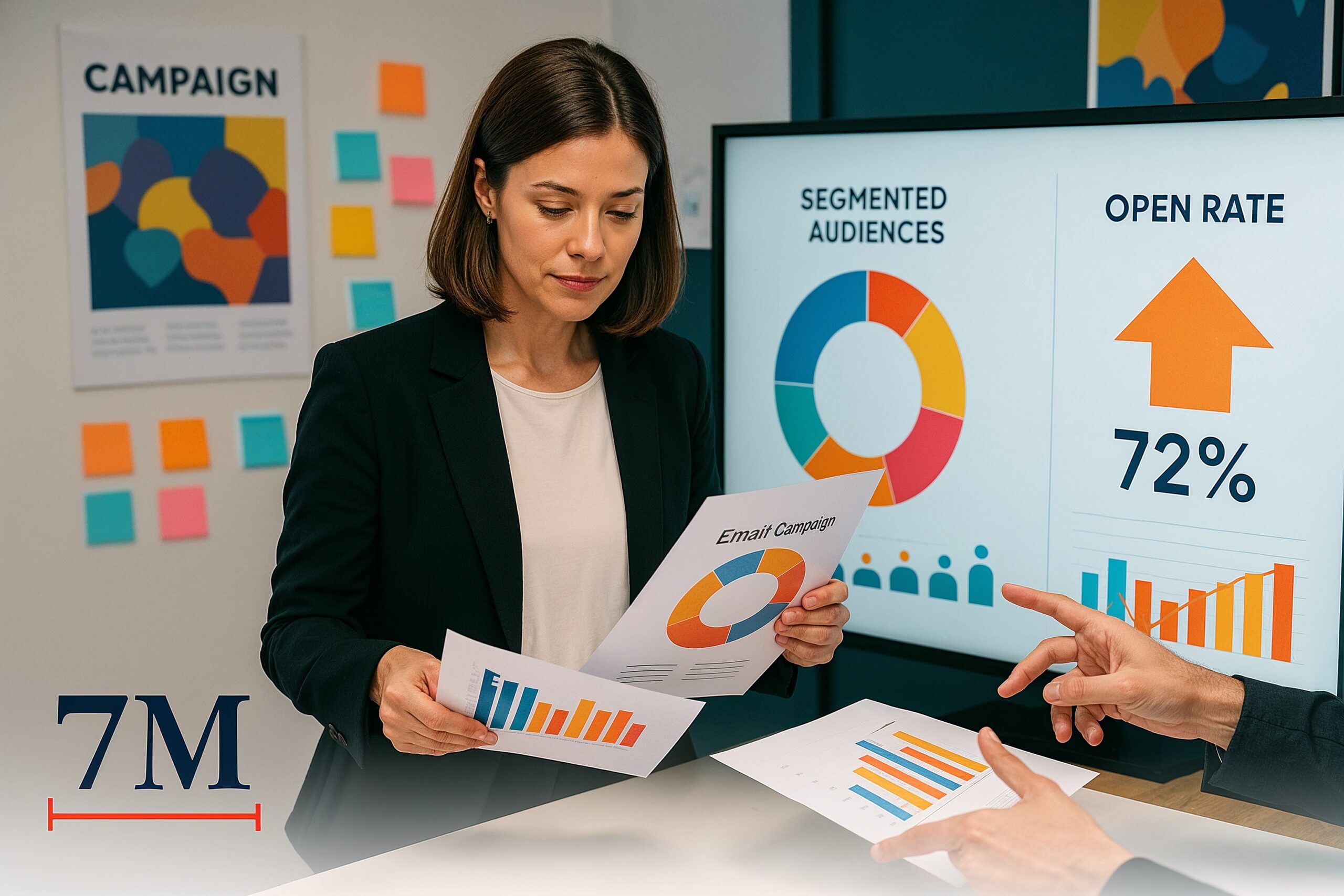
Email remains one of the most powerful tools in digital marketing, consistently delivering the highest ROI among marketing channels. However, the digital landscape—shaped by privacy changes and an ever-increasing volume of messages—demands smarter, more personalized outreach. Personalization strategies for higher open rates are not just about using the recipient’s name; they are about creating relevant, timely, and valuable experiences that motivate users to engage. This post explores actionable tactics that digital marketers and direct response advertisers can implement to elevate open rates and optimize campaign outcomes across platforms like Facebook, Instagram, Google, and YouTube.
Core Benefits of Email Personalization
- Increased Engagement: Personalized emails are opened 82% more often than generic ones, leading to better click-through and conversion rates.
- Enhanced Customer Experience: Recipients feel recognized and valued, boosting satisfaction and loyalty.
- Higher Revenue: Email campaigns using advanced personalization and segmentation can deliver up to 760% more revenue compared to bulk campaigns.
- Reduced Unsubscribes: Relevant, reader-centric content keeps your audience interested and reduces list decay.
Segmentation: Laying the Foundation for Relevance
Effective personalization begins with segmentation—dividing your audience based on demographic, psychographic, behavioral, and firmographic data. List segmentation enables you to deliver content that aligns with the specific needs and preferences of each group. Platforms like Mailchimp, HubSpot, and ActiveCampaign offer powerful tools for managing and updating segments as your audience evolves. Regularly refreshing segments ensures you stay relevant and avoid audience fatigue.
Dynamic Personalization: Going Beyond the Name
- Personalized Subject Lines: Including a recipient’s name or referencing recent activity can increase open rates by up to 26%. Emojis, when used strategically and in moderation, can boost open rates even further.
- Relevant Content: Emails should reflect the recipient’s interests and lifecycle stage. Examples include product recommendations based on past purchases, dynamic offers, or tailored content updates.
- Behavioral Triggers: Automated emails in response to user behavior (such as abandoned cart or re-engagement triggers) enjoy 8x more opens and drive timely action.
Optimizing Subject Lines, Preheaders, and Sender Names
The subject line is your first (and often only) chance to capture attention. Best practices include:
- Keep it concise: Aim for 30-50 characters.
- Strategic use of urgency or curiosity: Create a sense of importance or intrigue without resorting to spammy language.
- Complement with preheader text: Use 80-100 characters to support and expand on the subject line, especially for mobile users.
- Sender name consistency: Use a sender name that your audience recognizes and trusts. Test personal versus brand names to see which resonates best.
Timing and Frequency: Hitting the Inbox at the Right Moment
The optimal send time varies by audience. Analyze engagement data to identify when subscribers are most likely to open your emails, and use automation to deliver messages accordingly. Limit email frequency to avoid fatigue—no more than five newsletters per week is generally recommended for maintaining high engagement.
Automation and AI: Scaling Personalization Efficiently
Automation platforms now allow you to trigger emails based on real-time behaviors and events, ensuring immediacy and relevance. AI-powered tools can refine subject lines, suggest optimal content, and segment audiences for hyper-relevant outreach. For digital marketers scaling campaigns on social platforms, integrating your CRM and ad platforms enables seamless transfer of data and personalization across channels.
Design and Mobile Optimization
Over half of all email opens happen on mobile devices. Design single-column layouts, use large buttons, and keep subject lines brief for the best user experience. Consistent branding (logo, colors, sender identity) builds familiarity and trust, which in turn supports higher open and click rates.
List Hygiene and Ongoing Optimization
- Regular cleaning: Remove inactive or unengaged subscribers to protect your sender reputation.
- Re-engagement campaigns: Use personalized email sequences for nurturing cold leads and bring dormant subscribers back into the fold. Uploading segments to Facebook or Instagram for targeted reactivation can also be highly effective.
- Testing and Metrics: A/B test subject lines, sender names, and send times. Monitor sales funnel metrics that matter most—such as CTR, conversion rates, and list growth—not just open rates, which can be affected by privacy measures.
Personalization Across Channels: Integrating Social and Email
Combine email and paid social strategies for maximum impact. For example, use proven ad copy frameworks for Facebook ads to attract sign-ups and then nurture those leads with personalized email sequences. Cross-platform data syncing allows you to retarget email subscribers with relevant Facebook or Instagram ads, creating a seamless customer journey and reinforcing your message at every touchpoint.
Conclusion: Making Personalization Your Competitive Advantage
Personalization strategies for higher open rates are essential for any brand seeking to stand out in crowded inboxes and drive real business results. By combining segmentation, dynamic personalization, smart automation, rigorous list management, and cross-channel integration, marketers can significantly boost engagement, nurture cold leads, and maximize the impact of every campaign. For organizations scaling direct response advertising efforts, these tactics provide the foundation for sustainable growth and customer loyalty in the evolving digital landscape.

